
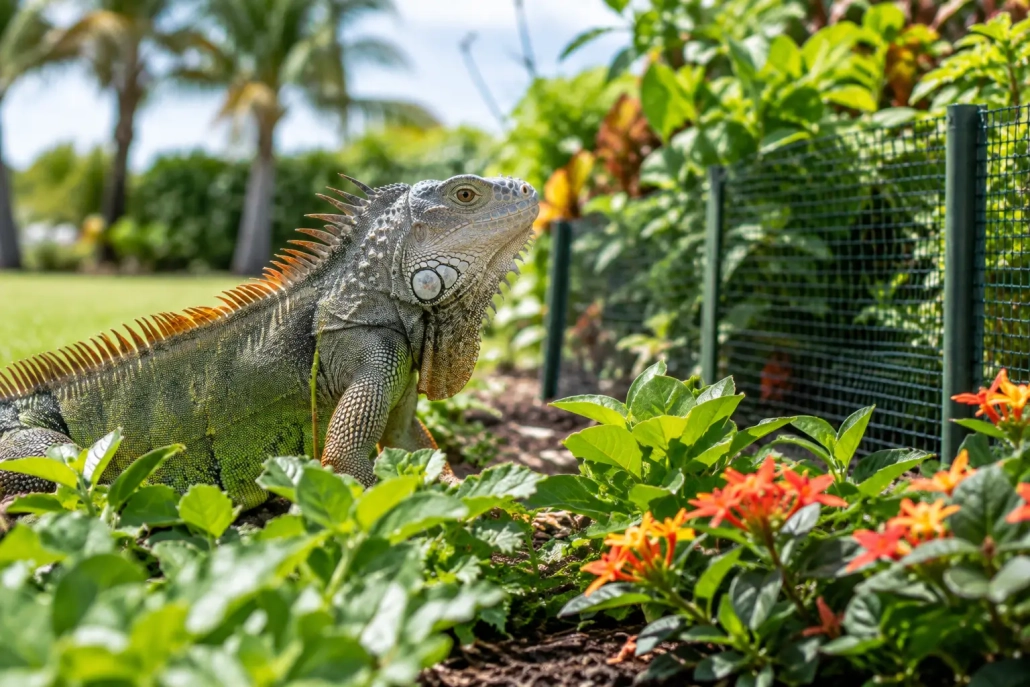
How to Protect Your Garden From Iguanas in Florida
An iguana sitting on a wall may look harmless. The trouble starts when it turns your garden into a feeding area, a hiding place, and a burrowing site. To protect garden from iguanas, you need to remove what attracts them, block easy access, and deal with active animals before a few regular visitors become a costly property problem.
In South Florida, green iguanas are invasive. They can strip flowers and edible plants, leave droppings around patios and pools, dig into soft soil near walkways, and burrow where you least want voids forming. A damaged garden is frustrating. A burrow near a seawall, pool deck, foundation, or driveway is a different level of risk.
Start by Looking for Active Iguana Signs
You do not always see the iguana that is causing the damage. They are most active during warm daylight hours, but their evidence stays behind. Fresh droppings, gnawed leaves, missing blooms, shallow holes, and disturbed mulch are common signs. You may also notice tracks in loose soil or small openings beneath shrubs, sheds, deck edges, or landscape borders.
Check the areas that stay warm and sheltered. Iguanas like sunny walls, pool equipment pads, rock features, canal edges, dense hedges, and open spots where they can quickly retreat into cover. If you have a garden beside water, a seawall, or a drainage area, inspect it regularly. Those conditions can give iguanas food, water, basking space, and soft soil in one location.
Burrows deserve immediate attention. Do not simply fill a hole if you believe an iguana may still be inside. An active animal can reopen the area, create a new escape route, or become trapped. First confirm the burrow is inactive or have it handled by a qualified removal professional, then repair and reinforce the site.
How to Protect Garden From Iguanas With Less Food and Cover
The most dependable long-term control is making the garden less rewarding. You may not be able to eliminate every food source on a South Florida property, but you can stop giving iguanas an easy daily meal.
Harvest ripe fruit and vegetables promptly. Pick up fallen mangoes, berries, and other fruit before they ferment on the ground. Keep compost covered and avoid leaving pet food outdoors. Bird feeders can also create a mess below them that attracts more than birds, so clean spilled seed often.
Plant choice matters, although no plant is a guaranteed iguana-proof option. Iguanas commonly go after tender leaves, flowers, and many edible plants. Gardeners often have better luck protecting vulnerable vegetables and ornamentals with physical barriers rather than depending on a plant’s reputation for being unappealing. A hungry iguana will test what is available.
Trim dense ground-level growth around walls, fences, sheds, and equipment. You do not need to turn your landscaping into bare ground, but remove the easy hiding lanes that let reptiles move unseen from one part of the yard to another. A cleaner perimeter also makes fresh activity easier to spot.
Use Physical Barriers Where They Count
Fencing is usually more useful than sprays, noise makers, or home remedies. The right barrier depends on what you are protecting and how determined the iguanas have become.
For a vegetable bed or smaller flower garden, install sturdy wire mesh or hardware cloth around the perimeter and secure it at ground level. The barrier should be tall enough to discourage climbing and tight enough that an iguana cannot push underneath. Burying the lower edge several inches into the soil or bending it outward underground can help prevent digging at the base.
Individual plant cages work well for young plants, herbs, and expensive ornamentals. Use rigid material that will hold its shape after wind, rain, and repeated contact. Lightweight netting may keep birds out, but it can tear easily and may create an entanglement risk for wildlife if it is loose or damaged.
Protect access points around structures, too. Close gaps beneath sheds, decks, stairs, and outdoor equipment where practical. Screen or reinforce vulnerable openings after confirming no animal is using them. This step is especially important near pool pumps, air-conditioning units, and utility areas, where droppings and nesting activity can create sanitation and maintenance problems.
A barrier is only as good as its weak point. Walk the line after installation. Look for loose corners, open gates, soil washed away by rain, and vegetation that creates a bridge over the fence. Iguanas climb well, so nearby branches, stacked materials, and leaning décor can defeat an otherwise solid enclosure.
Do Not Rely on Scare Tactics Alone
Motion-activated sprinklers, reflective objects, decoys, and commercial repellents may temporarily interrupt an iguana’s routine. They can be useful as a supporting measure in a small garden, especially when combined with cleanup and fencing. On their own, they are rarely a permanent answer.
Iguanas learn quickly when a sound, visual deterrent, or sprinkler does not pose a real obstacle. They may avoid an area for a few days, then return once they recognize the garden still has food and shelter. Reapplying scent products after rain also becomes expensive and time-consuming.
Treat these tools as a way to buy time while you fix the conditions that are bringing iguanas in. If animals are already established on the property, the bigger job is removal and exclusion.
Handle Droppings and Burrows Carefully
Iguana droppings are more than an eyesore on a patio or pool deck. Reptiles can carry salmonella, and waste around outdoor living areas, walkways, docks, and garden beds should be handled with care. Keep children and pets away from fresh droppings, wear gloves during cleanup, and wash hands thoroughly afterward. Do not use a leaf blower to scatter dry waste into the air.
Use a dedicated scoop or disposable materials to collect droppings, bag the waste, and disinfect the affected hard surface according to the product instructions. In garden soil, remove the droppings and avoid handling nearby produce until it has been thoroughly washed. If droppings are frequent around a pool, restaurant patio, marina, or common area, that is a sign the property needs a more complete response.
Burrowing can be the most expensive part of an iguana issue. Loose soil near retaining walls, sidewalks, foundations, and seawalls can hide damage until cracking, settling, or erosion becomes visible. Mark new holes, watch for repeat activity, and do not wait for a small soft spot to become an emergency repair.
When Professional Iguana Removal Makes Sense
A homeowner can handle basic garden cleanup and small exclusion projects. Professional removal is the smarter choice when iguanas are repeatedly returning, burrows are active, large adults are present, or the activity is near valuable infrastructure.
This is not the time for improvised trapping, handling, or risky removal methods. Iguanas can bite, scratch, whip with their tails, and spread contamination. Florida rules and local restrictions can also affect what methods are allowed and where they can be used. A licensed and insured wildlife-control provider can assess the site, remove nuisance iguanas safely, identify entry and burrowing areas, and help you prioritize the repairs that will actually reduce repeat problems.
For commercial properties, quick action protects more than landscaping. Golf courses, marinas, apartment communities, restaurants, and facilities with outdoor equipment can face guest complaints, sanitation concerns, damaged irrigation, and expensive structural exposure. One active area near a seawall or HVAC pad can cost far more than early removal.
Florida Iguana Ops takes a straightforward approach: inspect the problem, remove the animals safely, and focus on the conditions that keep drawing them back. No gimmicks and no runaround – just practical property protection from a local team that understands what iguanas can do in South Florida.
Your garden should be a place to enjoy, not a feeding ground and tunnel system for invasive reptiles. Act when you see the first signs, reinforce the spots that matter most, and get experienced help before the damage moves beyond the flower bed.



Leave a Reply
Want to join the discussion?Feel free to contribute!