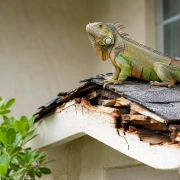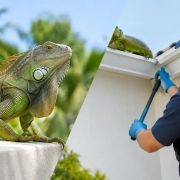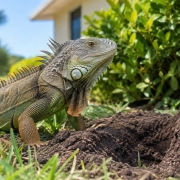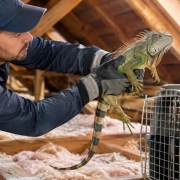
A heavy reptile moving above the ceiling is not a problem to ignore. In South Florida, an iguana can get into an attic through a loose soffit, damaged roof vent, broken fascia, or another small opening near the roofline. If you need to remove iguanas from attics, the priority is protecting people, preventing further damage, and closing off the route that let the animal inside.

An attic iguana is not always easy to see, but it can leave behind droppings, odors, insulation damage, and noise that gets worse when the animal searches for a way out. Trying to chase it through a hot, cramped attic can push it deeper into the structure or turn a manageable issue into a repair bill. The right response is careful removal followed by a full inspection of the entry point.

Signs an Iguana May Be in Your Attic

Iguanas are cold-blooded animals, so a sheltered attic can be attractive during a cold snap, heavy rain, or periods when outdoor cover is limited. They may also use rooflines and tree branches as travel routes, then find an opening that was already present.

You may hear slow, heavy scratching or thumping above the ceiling, especially early in the morning or late in the day. Unlike the quick scurrying often associated with rats, an adult iguana can make deliberate, weighty sounds. Other warning signs include droppings around roof access points, disturbed or compressed insulation, a foul smell, damage near soffits and vents, or a reptile seen climbing onto the roof.

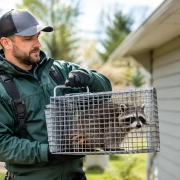
Still, not every attic noise is an iguana. Rats, squirrels, birds, raccoons, and even loose ductwork can create similar sounds. That is why a proper inspection matters. Guessing at the animal and sealing an opening too soon can leave wildlife trapped inside the home.

Why Attic Iguanas Need Prompt Attention

An iguana may seem less threatening than a raccoon or other nuisance wildlife, but it can cause real trouble in an enclosed structure. Large iguanas have strong claws, powerful tails, and a tendency to force their way through weak materials when stressed. Once inside, they can tear insulation, damage flexible ductwork, contaminate stored belongings, or worsen an existing opening around the roofline.

Droppings are another concern. Iguanas can carry salmonella, and dried waste can create sanitation problems near air handlers, storage areas, or ceiling penetrations. You should not sweep up droppings dry or handle them without proper protection. Keep children and pets away from the area, and wash hands thoroughly after contact with any surface that may be contaminated.

There is also the issue of a trapped animal. An iguana that cannot find its exit may move toward light, warmth, or air flow. That can lead it into wall cavities, garage areas, or around HVAC equipment. The longer it remains inside, the more likely the situation becomes a repair and cleanup job instead of a straightforward removal.

How Professionals Remove Iguanas From Attics

To remove iguanas from attics safely, the work should begin with an inspection from both inside and outside the structure. A trained technician checks the attic, roof edges, soffits, vents, eaves, tree access, and nearby openings. The goal is to confirm where the iguana is located, identify how it entered, and make sure there are not additional animals using the same route.

Removal methods depend on the layout of the home and the animal’s location. In some cases, the iguana can be guided toward a controlled exit. In other situations, humane capture equipment and careful hands-on handling are needed. A technician should avoid damaging insulation, cutting unnecessary openings, or creating an escape route that sends the animal into another part of the building.

Once the animal is secured, the work is not finished. The attic should be checked for droppings, damaged insulation, disturbed ductwork, chewed or displaced materials, and moisture issues around the entry point. If waste is present, cleanup should be handled with the appropriate protective measures. A professional can also recommend whether insulation needs to be removed, repaired, or replaced in the affected area.

Florida regulations matter as well. Green iguanas are invasive, but removal must still be handled humanely and in accordance with applicable rules. Releasing an unwanted iguana somewhere else is not a responsible solution. A local wildlife-control professional can handle the situation without putting the property owner in the position of figuring out the rules, handling a stressed animal, or transporting it.

What Not to Do When You Hear an Iguana Overhead

Do not block every opening the moment you hear movement. If an iguana is still inside, sealing its main exit can trap it in the attic or force it into living spaces. Avoid using poison, glue boards, smoke, or improvised traps. Those methods can create a worse sanitation issue, harm non-target animals, and leave you with a dead animal in an inaccessible part of the structure.

It is also a bad idea to climb into a tight attic with a net or broom. Adult iguanas can bite, scratch, and whip with their tails when cornered. Attics add other hazards: exposed electrical wiring, weak walking surfaces, extreme heat, nails, and low visibility. The risk is not worth it, especially if you do not know exactly what animal is up there.

Keep Iguanas From Getting Back Into the Attic

Exclusion is the part that prevents repeat calls. After removal, repair the specific entry point rather than relying on a temporary patch. That may mean securing loose soffits, repairing fascia, screening vulnerable vent openings with suitable materials, and addressing gaps where rooflines meet walls. The repair has to allow proper ventilation while keeping wildlife out.

Tree limbs can also be part of the problem. Branches that touch or hang close to a roof give iguanas an easy route to upper levels. Trimming them back can reduce access, although it will not solve a damaged soffit or open vent by itself. Inspect areas around pool equipment, outdoor air-conditioning units, and landscaping too. Iguanas often travel between ground-level cover and roof access points.

For property managers, marinas, golf facilities, and commercial buildings, attic activity may be one piece of a larger iguana problem. Active burrows near walkways, pool decks, seawalls, driveways, and foundations should be addressed before they become expensive repairs. A property with food sources, dense landscaping, water access, and unsealed building openings can support repeat activity unless the whole site is evaluated.

When to Call for Attic Iguana Removal

Call for professional help when you hear repeated movement overhead, find fresh droppings near roof access, see damage around soffits or vents, or spot an iguana entering the roofline. Fast action is especially worthwhile if the attic contains HVAC equipment, valuable stored items, or signs of contamination.

Florida Iguana Ops provides licensed and insured iguana removal for homes and commercial properties across Palm Beach County communities. The approach is simple: inspect the problem, remove the animal safely, identify the access point, and help you stop the next one from getting in. No gimmicks, no runaround.

Your attic should protect the building below it, not become shelter for invasive wildlife. Address the animal, repair the opening, and you can get back to using your property without wondering what is moving above the ceiling.
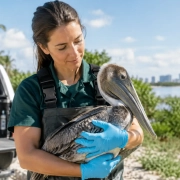
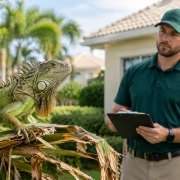
An iguana on a fence is one thing. A fresh burrow opening beside a seawall, a pool deck that has started to settle, or droppings piled around restaurant equipment is another. Emergency wildlife response is for the situations where nuisance wildlife has moved beyond being an annoyance and is putting people, property, or daily operations at risk.

In South Florida, invasive green iguanas can create that kind of trouble fast. They dig where the ground is already vulnerable, gather around warm mechanical equipment, leave unsanitary waste in high-traffic areas, and return to places that have worked for them before. Waiting for the problem to “calm down” can turn a manageable removal job into a repair bill for a seawall, walkway, landscape bed, or HVAC system.

When Emergency Wildlife Response Is the Right Call

Not every wildlife sighting needs an urgent response. A single iguana crossing a yard may not be a crisis. But the situation changes when there is active damage, a clear safety concern, or an infestation affecting an occupied or operational property.

Fresh digging near a seawall, canal bank, foundation, driveway, pool deck, or retaining area deserves quick attention. Iguanas tunnel into loose soil and can weaken the ground supporting expensive structures. On waterfront property, one burrow can be a warning sign. Multiple burrows along the same wall or bank can create a much larger stability concern, especially after heavy rain.

Commercial properties have their own warning signs. Iguanas often use warm, protected areas near air-conditioning condensers, electrical equipment, docks, storage areas, kitchens, and loading zones. If droppings are accumulating near guest areas, staff entrances, outdoor dining, or mechanical systems, the issue is no longer cosmetic. It affects sanitation, safety, and the way customers see the property.

Call for professional help promptly when you see active burrows near critical infrastructure, animals inside a fenced pool or enclosed work area, repeated wildlife activity around equipment, large droppings where people walk, or an injured animal creating a public safety concern. Those are problems that require a real response plan, not a homeowner trap and a guess.

Why Iguana Problems Escalate So Quickly

Iguanas are invasive reptiles, and South Florida gives them what they need to thrive: warmth, water, cover, and plenty of landscaped food sources. They are strong climbers, capable swimmers, and persistent burrowers. Removing one visible animal without addressing the activity around the property may not stop the larger issue.

The biggest risk is often below ground. Iguana burrows can undermine soil under pavers, walkways, decks, drainage areas, and shoreline structures. A small hole may look harmless from the surface, but it can lead to erosion or settling that is expensive to correct. This is especially serious around marinas, canal-front homes, golf courses, and properties with seawalls.

Then there is the cleanup issue. Iguana droppings are not something to ignore near pools, patios, docks, outdoor kitchens, playgrounds, or business entrances. Reptiles can carry salmonella, and waste buildup creates an unsanitary condition for residents, guests, employees, and pets. It can also attract insects and other pests.

Equipment is another common target. Iguanas seek warmth and shelter around outdoor HVAC units and utility areas. They may damage wiring, clog components, or create conditions that interfere with normal operation. For a homeowner, that can mean an unexpected repair call. For a facility manager or restaurant operator, it can mean downtime when the equipment is needed most.

What to Do Before Help Arrives

A fast response starts with avoiding the wrong move. Do not try to corner, grab, poison, or relocate an iguana yourself. Large iguanas can bite, scratch, whip with their tails, and react unpredictably when trapped. Handling wildlife without the right equipment also puts you at risk and can create legal problems.

Keep children and pets away from the area. If the animal is near a pool, entryway, dock, equipment pad, or outdoor dining space, limit access until the situation is assessed. For commercial properties, let employees know which area to avoid and document any visible damage for your maintenance records.

Take a few clear photos from a safe distance if you can do so without approaching the animal or the damaged area. Photos of burrow openings, droppings, disturbed soil, cracked pavers, or wildlife around equipment can help explain what is happening when you request service. Do not put hands, tools, hoses, or chemicals into a burrow. You may cause additional collapse, push the animal deeper into the property, or create a hazard you cannot see.

If soil has already dropped away near a seawall, dock, foundation, or traffic area, treat it as a property safety issue. Block off the area if practical and contact the appropriate repair professional after the wildlife problem is under control. Removal stops the ongoing cause. Structural repair addresses the damage that is already there. On serious waterfront sites, both may be necessary.

A Professional Response Is More Than Catching One Animal

A proper emergency wildlife response begins with a site assessment. The goal is to identify where animals are active, what is attracting them, where burrows or access points are located, and what property assets need protection first. That approach matters because an iguana problem on a backyard patio is different from one developing along a marina seawall or beneath equipment serving a busy business.

Professional removal should be handled safely, humanely, and in accordance with applicable Florida rules. The work may involve targeted capture methods, inspection of problem areas, and recommendations for reducing future activity. The best method depends on the property layout, the size of the infestation, nearby water, access limitations, pets, customers, and the location of sensitive equipment.

There are trade-offs. Immediate removal may solve an active threat, but long-term control can require follow-up service when a property has heavy landscaping, open canal access, or an established population nearby. Exclusion and habitat changes can help in some settings, but they are not always practical for a large waterfront property, golf course, or open commercial campus. A good provider will explain what can reasonably be fixed now, what needs monitoring, and where repair work should follow wildlife removal.

That straight answer is better than promising that wildlife will never appear near your property again. South Florida has iguanas. The real goal is to keep them from becoming comfortable, destructive, and expensive on your property.

Protecting High-Value Areas After Removal

Once active animals are removed, inspect the places where damage spreads fastest. Along a seawall or canal edge, look for soft soil, new holes, slumping ground, and gaps around drainage points. Near pools and patios, watch for lifted pavers, settling edges, or fresh digging in landscape beds. Around HVAC systems, check for droppings, nesting material, chewed insulation, and signs that service access has been blocked.

Property managers should also think about recurrence by zone. A condominium may need close attention around dumpsters, lake edges, equipment enclosures, and pool decks. A marina may need a plan for docks, shoreline landscaping, utility runs, and guest walkways. Golf-course operators may see activity around water features, maintenance areas, cart paths, and retaining edges. Each property has its own pressure points.

Regular grounds inspections help catch a small problem before it reaches emergency status. After storms and periods of heavy rain, take another look at waterfront edges and previously active burrow locations. Rain can expose voids, soften soil, and make old damage more obvious. It can also make conditions worse quickly.

Get the Right Help When Property Is at Risk

When invasive wildlife is actively damaging a structure, fouling a public area, or threatening equipment, speed matters. The right response is not panic. It is getting a licensed, insured local team on site that understands what iguanas do to South Florida property and can deal with the problem without gimmicks or runaround.

Florida Iguana Ops helps homeowners, property managers, and commercial operators address active iguana issues with practical removal and clear guidance on what needs attention next. The job is not finished when the animal is out of sight. It is finished when you have a clearer path to protecting the property it was damaging.

If you are seeing fresh burrows, recurring iguana activity, waste near living or work areas, or damage around a seawall, deck, or HVAC unit, do not give the problem more time to grow. A prompt call can protect the part of your property that will cost the most to repair.

A cracked pool deck, fresh dirt beside a seawall, or iguana droppings around a clubhouse is not just a landscaping complaint. For a community association, it can quickly become a property-protection issue with liability, sanitation, and repair costs attached.

A strong HOA wildlife response gives the board, manager, and maintenance team a clear way to act before an invasive iguana problem turns into damaged infrastructure or an emergency repair. The goal is not to create unnecessary panic. It is to identify the risk, protect residents and common areas, and bring in qualified help before the damage spreads.

Why Iguanas Create an HOA Property Problem

Green iguanas are invasive in South Florida, and they do more than sit in trees and sun themselves near the water. They dig. Their burrows can undermine soil near seawalls, retention pond banks, walkways, driveways, patios, foundations, and pool decks.

One burrow may look minor from the surface. The concern is what is happening below ground. Repeated digging can wash out soil, weaken edges, and create voids that are expensive to correct once concrete, pavers, or shoreline structures begin to shift.

Common areas make the problem more serious because they receive daily foot traffic. Residents, guests, vendors, and staff may walk near burrow openings without seeing them. At a marina, golf course, clubhouse, or waterfront community, an active iguana population can also affect the look and use of the property. Droppings near pool furniture, docks, walkways, and outdoor gathering spaces are unsanitary and can carry salmonella.

There is also a maintenance issue that associations should not ignore. Iguanas may shelter around mechanical equipment and damage landscaping, irrigation areas, and outdoor HVAC components. When they establish a dependable food source, hiding place, and digging area, they tend to return.

What an HOA Wildlife Response Should Cover

The best response is simple, documented, and fast enough to prevent a small wildlife sighting from becoming a structural concern. It should give residents a clear reporting path while keeping removal decisions with the appropriate board member, property manager, or facilities lead.

Start With Clear Reporting

Residents and maintenance personnel are often the first people to notice a problem. Tell them what is worth reporting: active burrows, repeated iguana activity around buildings or water, droppings in shared areas, damaged plantings, soil loss, or sightings near mechanical equipment.

A report should include the location, date, photos when safe to take, and whether the issue is near a seawall, pool, sidewalk, building, or other asset. This prevents vague complaints from bouncing around by email while the actual issue gets worse.

The association does not need to treat every iguana sighting as an emergency. A single animal moving through a landscaped area may not require immediate action. Several animals gathering in the same area, fresh burrows near infrastructure, or activity near a high-traffic amenity deserve a faster response.

Separate Routine Sightings From Urgent Damage

Not every wildlife call needs the same timeline. That is where a practical triage process helps. Routine sightings can be logged and monitored. An active burrow along a seawall, beside a pool deck, or near a foundation should be treated as a property maintenance concern and inspected promptly.

If there are signs of soil collapse, cracking, a sinking paver area, exposed voids, or compromised shoreline material, the association may need both wildlife removal and an evaluation from the appropriate repair professional. Removing iguanas addresses the ongoing cause. It does not automatically repair damage that has already occurred.

This distinction matters. Waiting until a bank fails or a walkway settles can turn a manageable removal job into a costly repair project.

Use Qualified, Lawful Removal

Board members and maintenance staff should not try to handle invasive iguanas themselves. Capturing wildlife can create safety issues, lead to improper handling, and put the association in a difficult position if the job is not completed lawfully.

Florida wildlife rules, local conditions, and humane handling requirements matter. A licensed and insured wildlife professional can assess the site, remove iguanas safely, and help the association understand where activity is concentrated. That is especially useful on larger properties with ponds, seawalls, dense landscaping, rooflines, docks, and multiple buildings.

Florida Iguana Ops handles targeted invasive iguana removal with a straightforward focus on protecting South Florida property. For an HOA, the value is not just getting one visible animal off-site. It is identifying recurring activity and responding before burrows and waste create a larger maintenance problem.

Build Prevention Into the Maintenance Plan

Removal is often necessary, but it works best alongside practical prevention. An HOA cannot make a waterfront community completely unattractive to wildlife. It can reduce the conditions that make common areas an easy place for iguanas to settle.

Food sources should be reviewed first. Residents should not feed iguanas or leave pet food outdoors in common spaces. Open garbage, fallen fruit, and unsecured food around recreation areas can keep wildlife coming back. Associations can address this through basic resident reminders and consistent trash handling rather than heavy-handed rules.

Landscaping also deserves attention. Thick ground cover, unmaintained shoreline vegetation, and hidden areas around structures can provide cover. The right approach depends on the property. Over-clearing can create erosion or reduce the appearance residents expect, so the goal is not to strip every natural area bare. It is to improve visibility around vulnerable infrastructure and discourage hiding and burrowing where damage would be costly.

After removal, maintenance teams should watch known trouble spots. Fresh digging, new droppings, and repeated sightings near the same asset are signals that the area needs another look. A simple inspection routine is far cheaper than discovering months of concealed activity after a major storm or landscaping project.

Protect the HOA From Avoidable Liability

A documented response helps protect the association as well as the property. When a resident reports a burrow near a walkway or a vendor notices droppings around a pool area, there should be a record of the complaint, inspection, action taken, and follow-up.

That documentation gives the board useful information for budgeting and vendor decisions. It can show whether the community has a one-time wildlife issue or a recurring pattern tied to a pond, seawall, clubhouse, or particular building. It also demonstrates that the association took reasonable steps after learning of a potential hazard.

For communities with extensive waterfront infrastructure, a seasonal review can make sense. Iguana activity may increase when weather, landscaping conditions, and available cover favor nesting and shelter. Property managers do not need a complicated wildlife program. They need a dependable contact, a reporting process, and the authority to act when damage is visible.

Questions Boards Should Ask Before Hiring Help

Price matters, but the lowest quote does not always account for the full job. A provider should be able to explain what areas will be inspected, what removal method is appropriate, whether follow-up is recommended, and how the team will work around residents, guests, pets, and active amenities.

Ask whether the company is licensed and insured, whether it has experience with commercial or association-managed properties, and whether it can communicate clearly with the property manager. The board should also understand what is included in the service and what falls outside it. Burrow repair, landscaping restoration, seawall work, and structural repairs may require separate specialists.

A good provider will be candid about that. No gimmicks, no vague promises that a single visit will permanently eliminate every iguana from an open South Florida environment. The right plan reduces the active problem, addresses high-risk locations, and gives the association a practical way to respond when activity returns.

Act Before the Visible Damage Gets Bigger

HOA wildlife response is really property response. The iguana is the visible problem, but the board is protecting the assets beneath and around it: seawalls, decks, walkways, landscaping, pool areas, equipment, and the community’s reputation.

When fresh burrows or repeat iguana activity appear near shared infrastructure, do not wait for the next maintenance cycle to see whether the issue disappears. Document the location, keep people away from any unstable area, and arrange a professional assessment. Fast action is usually the least expensive option, and it helps keep a nuisance wildlife issue from becoming a community-wide repair bill.

A cracked paver or a small hole along a seawall can look like a minor maintenance issue. In South Florida, it can also be the first visible sign of a much bigger problem underground. This homeowner guide to iguana property damage explains where invasive iguanas cause trouble, how to recognize the warning signs, and when it is time to bring in professional removal help before repairs get expensive.

Green iguanas are not just passing through when they settle on a property. They feed, climb, nest, and burrow. A few animals around a canal, pool area, dock, or landscaped yard can turn into a recurring property-protection issue quickly, especially during nesting season.

Why Iguana Damage Is More Than a Yard Problem

Iguanas are strong diggers. They create burrows for shelter and nesting, often choosing dry, sunny ground near structures, water, and thick landscaping. Unfortunately, those are also the areas homeowners spend serious money to build and maintain.

A burrow can weaken soil beneath walkways, pool decks, patios, driveways, and retaining areas. Near a seawall or canal bank, digging may contribute to erosion and instability. One hole is not automatically a structural emergency, but ignoring active burrowing gives the problem time to spread below the surface.

Their droppings create a separate issue. Iguana waste can collect on docks, pool decks, outdoor furniture, roofs, walkways, and near air-conditioning equipment. Besides looking bad and creating slip hazards, reptile droppings can carry bacteria such as salmonella. That matters most around children, pets, food-prep areas, guest spaces, and shared community amenities.

The damage is rarely limited to one category. Homeowners often first notice chewed plants, then find burrows, droppings, displaced mulch, or disturbed soil nearby. The longer iguanas treat the property as home, the more likely the cleanup and repair bill grows.

Common Places Iguanas Damage Residential Property

Iguanas look for cover, food, warmth, and access to water. That makes many well-kept South Florida properties especially attractive. A clean yard does not prevent an infestation, and a property near a canal, lake, golf course, marina, or dense vegetation may have more consistent iguana traffic.

Seawalls, Canal Banks, and Waterfront Edges

Waterfront homeowners should take burrows seriously. Iguanas commonly dig along sloped banks and near seawall structures because these areas can provide loose soil, cover, and sun exposure. Repeated tunneling can move soil where you need it most and complicate erosion control.

Look for fresh holes, loose soil, collapsing edges, or sections where mulch and groundcover keep sliding toward the water. If a hole appears close to a seawall, do not assume filling it once solves the issue. If the animals are still active, they may reopen it or begin another burrow nearby.

Pool Decks, Patios, and Paver Walkways

Warm pavers and pool decks are favorite basking spots. Iguanas may also burrow beside a patio, underneath edge landscaping, or near the base of a deck. Over time, disturbed soil can lead to settling, uneven pavers, cracks, and trip hazards.

Droppings around pools bring another concern. Nobody wants guests stepping around reptile waste on the way to the water, and washing droppings into the pool area is not a good sanitation plan. Keep pets and children away from fresh droppings until the area can be cleaned safely.

Landscaping and Irrigation Areas

Iguanas eat many common ornamental plants, flowers, fruits, and tender new growth. They can strip a garden bed that took years to establish. Their digging also uproots plants, exposes irrigation lines, and scatters mulch across walkways and lawns.

A homeowner can replace damaged plants, but that does not address the cause. If the iguanas remain, fresh landscaping simply becomes their next meal or hiding place. Thick groundcover and unmanaged brush can make the problem harder to monitor because burrows stay hidden.

HVAC Equipment and Utility Areas

Outdoor equipment pads, condenser areas, and utility corridors offer shade and protection. Iguanas can leave droppings around mechanical equipment, dig near pads, and create access issues for technicians. Waste buildup and animal activity near HVAC equipment are not something to leave until the next maintenance visit.

Keep an eye on these less-visible parts of the yard. A professional may notice signs of activity in areas homeowners do not inspect often, including behind hedges, under decks, and along fence lines.

Warning Signs You Have Active Iguanas

Seeing an iguana once does not always mean you have an established infestation. A large animal crossing the yard may be passing through. Repeated sightings in the same area, however, usually mean the property offers food, shelter, or a nesting location.

Watch for these signs together:

  • Fresh burrow openings, loose soil, or tunnel entrances near structures
  • Repeated droppings on decks, docks, patios, roofs, or walkways
  • Missing leaves, damaged flowers, bitten fruit, and uprooted plants
  • Iguanas regularly basking near the same wall, pool, seawall, or equipment area
  • Soil settling, shifting pavers, or erosion near an active burrow

The pattern matters. A few chewed leaves are frustrating. Chewed leaves combined with burrows near a pool deck or canal bank call for faster action.

What Not to Do When You Find a Burrow

Do not put your hands into a burrow. Iguanas can bite, scratch, whip with their tails, and carry bacteria. A nesting female may also be more defensive around an active nest.

Avoid trying to seal an occupied burrow with rocks, concrete, or packed soil. Closing the hole without removing the animal can trap it, force it to dig elsewhere, or leave you with a worse odor and sanitation problem. It can also mask a void that still needs evaluation, particularly near a seawall, patio, or foundation area.

Home remedies have limits. Motion devices, scent products, and yard changes may discourage some activity, but they do not reliably remove an established animal or stop a nesting cycle. Trapping and removal also involve safety and legal considerations. This is not a job to hand off to an unprepared neighbor or a general handyman.

A Practical Response to Iguana Property Damage

Start by documenting what you see. Take photos of holes, droppings, damaged plants, settling pavers, and the animal itself from a safe distance. Note when and where iguanas appear. This helps identify repeat routes and gives a removal professional a clearer picture of the problem.

Next, protect the immediate area. Keep children and pets away from burrows and droppings. If you have a hole near a walkway, deck edge, or waterfront structure, mark it so nobody steps into weakened ground. Do not wash droppings into a pool, canal, or storm drain.

Then arrange professional removal before making permanent repairs. Removing active iguanas first helps prevent new digging in the same spot. Once the activity is under control, you can address soil replacement, landscaping, paver leveling, erosion protection, or any needed structural assessment.

This order matters. Repairing first and removing later often means paying for the same work twice.

When a Professional Removal Service Makes Sense

Call for help when you see repeated iguana activity, active burrows near structures, droppings in living or guest areas, or damage that keeps returning. The need is more urgent around seawalls, pools, foundations, playgrounds, docks, commercial mechanical equipment, and heavily used walkways.

A qualified local service should explain what they found, remove the animals safely, and give you a straight answer about the next steps. Florida Iguana Ops provides licensed and insured removal for homeowners and property managers who need the job handled without gimmicks or runaround.

After removal, reduce the reasons iguanas return. Keep fallen fruit picked up, trim dense hiding cover where practical, inspect vulnerable edges regularly, and repair damaged screens or access points. These steps help, but they work best after the active animals are addressed.

A small burrow is easier to deal with than a compromised deck edge, recurring sanitation issue, or costly seawall repair. If iguanas are making a habit of your property, act while the damage is still manageable.

An iguana seen once on a pool deck may call for a targeted visit. Iguanas returning to the same seawall, landscaping bed, roofline, or equipment area are a different problem. The choice between recurring versus seasonal iguana service comes down to what the animals are doing on your property, how much damage is already at stake, and whether your site gives them a reason to keep coming back.

For South Florida property owners and managers, waiting until damage is obvious is usually the expensive option. Iguanas burrow where soil is loose, warm themselves near hard surfaces, shelter around mechanical equipment, and leave droppings where people, pets, guests, and employees have to walk. A service plan should match the pressure on the property, not a one-size-fits-all schedule.

What Seasonal Iguana Service Is Built For

Seasonal iguana service is planned around the times of year when activity, visibility, or breeding-related pressure rises on a property. It is a practical fit for locations that are generally quiet but develop a predictable issue during warmer or wetter periods, after landscaping changes, or when nearby vegetation and water sources draw reptiles closer.

This approach commonly starts with an inspection and targeted removal, followed by scheduled follow-up visits during the property’s known problem window. The goal is to reduce activity before a few visible iguanas turn into occupied burrows, repeated droppings, or a larger population using the same site.

Seasonal service can make sense for a homeowner who notices iguanas only during part of the year, especially if there is no evidence of active burrowing or repeated structural damage. It can also work well for properties with a clear seasonal pattern, such as a landscaped community entrance, a vacation property, or a commercial site where activity increases around a certain pond, dock, or planting area.

The benefit is straightforward: you receive professional attention when the risk is highest without paying for frequent visits during periods when the property stays quiet. The trade-off is that seasonal service is less protective when iguanas have already established a routine. If a site has active burrows, easy food sources, dense cover, or neighboring pressure, the animals do not necessarily follow a convenient calendar.

When Recurring Iguana Service Makes More Sense

Recurring iguana service is ongoing removal and monitoring on a set schedule. It is designed for properties where iguanas are not an occasional nuisance but a repeat threat to grounds, structures, sanitation, or operations.

This is often the better choice when a property has a seawall, canal edge, lake bank, retaining area, pool deck, foundation-adjacent landscaping, marina infrastructure, or broad grounds with multiple hiding areas. Iguanas can return to familiar cover and burrowing locations quickly. Removing a few animals once may provide relief, but it does not always stop new activity from moving in.

A recurring plan gives a trained professional the chance to spot changes early. Fresh digging around a seawall is not the same as an old, inactive hole. New droppings under an AC unit, tracks near a walkway, or repeated basking on a roof can show that pressure is building before a property owner sees major damage.

For commercial properties, consistency matters even more. A golf course, marina, apartment community, hotel, business park, or managed residential community cannot wait for a guest complaint or a maintenance emergency to find out iguanas have been tunneling along a bank. Ongoing service helps keep removal, observation, and documentation on a regular track.

Recurring visits also give the provider a clearer picture of what is attracting activity. That may include overgrown ground cover, open access beneath equipment, vulnerable landscape beds, water-adjacent soil, or fruit and food sources that should be addressed. Removal is the immediate job. Reducing the conditions that make the property attractive is what helps protect the investment over time.

Recurring Versus Seasonal Iguana Service: The Real Difference

The biggest difference is not simply how often someone shows up. It is whether the service is reactive to a known season or proactive against a continuing property risk.

Seasonal service is a good middle ground when activity is limited, predictable, and caught early. It gives property owners a planned response without treating every month like an emergency. For a low-pressure property, that can be the responsible and cost-conscious choice.

Recurring service is for conditions that can create repeated losses. Iguana burrows may weaken soil around seawalls, sidewalks, driveways, patios, and foundations. Their droppings create a sanitation issue and may carry salmonella. They can damage plantings, interfere with outdoor areas, and take shelter around equipment where access and safety become concerns.

The more expensive the surrounding infrastructure, the less sense it makes to treat repeat activity as a minor annoyance. A single damaged landscape bed is one thing. Repeated digging next to a seawall, pool deck, drainage area, or commercial HVAC equipment is another. In those cases, recurring service can be less costly than waiting for a repair bill.

Signs You Should Move Beyond a One-Time Visit

A one-time removal is useful when you have an isolated animal and no signs that the site is becoming established habitat. It is not a long-term strategy when the same warning signs keep appearing.

Consider seasonal or recurring professional service if you are seeing four or more of these issues:

  • Fresh holes or expanding burrows near seawalls, foundations, walkways, patios, or pool areas
  • Iguanas returning to the same roof, dock, retaining wall, landscaping bed, or equipment enclosure
  • Frequent droppings around entrances, outdoor seating, pools, common areas, or workspaces
  • Damaged plants, disturbed mulch, digging around irrigation, or repeated landscape replacement costs
  • Multiple iguanas of different sizes, which can indicate a more established local population
  • Complaints from tenants, guests, neighbors, customers, or staff about reptile activity

Repeated evidence matters more than the size of any one iguana. A large animal gets attention, but smaller animals and fresh burrows can tell you just as much about the direction of the problem.

How to Choose the Right Schedule for Your Property

Start with the risk, not the budget line alone. Ask where iguanas are appearing, how often they return, and what sits nearby if they dig or shelter there. A homeowner with occasional activity in an open yard may need a very different plan than a waterfront community with miles of vulnerable shoreline.

Property use should also guide the decision. A private backyard may be able to tolerate a short observation period after removal. A marina, condo association, restaurant patio, or golf-course facility has more people moving through outdoor spaces every day. Those sites often need quicker follow-up because sanitation, customer experience, safety, and infrastructure are all on the line.

It also helps to think about the time cost of waiting. Burrows do not repair themselves, and droppings do not become less of a health concern when left in common areas. If maintenance crews are repeatedly filling holes, cleaning waste, replacing plants, or responding to calls, a recurring plan may bring more control to an issue that is already consuming labor.

A professional inspection should result in a clear recommendation, not pressure for the biggest package. The right schedule may be one targeted visit, a seasonal plan during known high-activity months, or ongoing monitoring and removal. The answer depends on the evidence on your site.

Professional Removal Protects More Than the Landscape

Trying to handle an active iguana problem without the right experience can create more trouble than it solves. Iguanas can bite, scratch, and move quickly when cornered. They also tend to retreat into areas that are difficult to reach safely, including dense vegetation, roof spaces, water edges, and mechanical areas.

Florida Iguana Ops provides licensed and insured, local service focused on safe removal and practical property protection. That means looking beyond the animal in plain sight and checking the places where repeat activity causes real losses.

Whether you choose seasonal coverage or a recurring schedule, the goal is the same: stop an invasive nuisance from becoming a repair project. If fresh burrows, repeat droppings, or returning iguanas are showing up on your property, address the pattern while the fix is still manageable.

A cracked pool deck, fresh dirt at the base of a seawall, or iguana droppings near an outdoor dining area is not the time to gamble on the first name that appears in a search. Licensed wildlife removal service reviews can help you sort out who will actually show up, assess the damage, remove the animals safely, and leave you with a clear plan for protecting the property.

For South Florida homeowners and property managers, reviews are more than a popularity contest. They are often the closest thing to a field report on how a company handles active infestations, difficult access, recurring burrows, occupied commercial sites, and customer concerns after the initial visit.

What Good Wildlife Removal Reviews Actually Tell You

A five-star average is useful, but it is not the whole story. A removal company can have a short list of glowing comments and still be a poor fit for a property with active iguana burrows around a seawall or repeated activity near expensive equipment. Read the details behind the rating.

The strongest reviews describe the problem, the work performed, and the outcome. Look for customers who mention that the technician arrived when promised, communicated clearly, treated the property with respect, and explained what was happening. Those details are harder to fake than a vague comment saying, “Great service.”

For invasive iguana work, pay attention to whether reviewers mention the crew identifying signs beyond the animal they first saw. Iguanas can burrow beneath walkways, driveways, pool decks, foundations, and seawalls. A professional should be looking at the broader property risk, not simply removing one visible reptile and calling the job complete.

Reviews also reveal how a company acts when the work is inconvenient. Did they respond quickly when a customer had damage near a dock, HVAC unit, or guest area? Did they work around a business schedule? Did they leave the site clean? These are the practical questions that affect whether a removal service protects your property or adds another headache.

How to Read Licensed Wildlife Removal Service Reviews

Start by reading the newest reviews, then go back several months. A company that has earned consistent feedback over time is generally a safer bet than one with a sudden burst of ratings and no established record. Recent reviews also tell you more about current response times, staffing, and customer service.

Next, look for reviews from properties similar to yours. A homeowner dealing with iguanas around a patio may need a different scope of work than a marina operator managing burrowing near waterfront infrastructure. Golf courses, multifamily communities, restaurants, and commercial facilities all have their own access, safety, and scheduling concerns.

You should also read the lower-rated reviews instead of skipping them. One unhappy customer does not automatically mean a company is unreliable. Wildlife removal can involve variables that no contractor fully controls, including new animals entering an open property or damage that was already hidden below the surface. What matters is whether the complaint points to a pattern of missed appointments, poor communication, surprise charges, or unfinished work.

A professional response to criticism can be a positive sign when it is direct and respectful. Be cautious if a business blames every customer, avoids the issue entirely, or makes promises that sound too absolute. No honest wildlife-control company can guarantee that another iguana will never enter your yard again. They can, however, explain the removal approach, identify attractants and vulnerable areas, and recommend practical next steps.

Credentials Still Need to Be Verified

Reviews can tell you how people felt about a service. They do not replace checking whether the company is properly licensed and insured for the work it performs. A review that says “licensed” is not proof by itself.

Ask the company directly about licensing, insurance coverage, and the methods used for removal. A legitimate provider should answer plainly. If the job involves a commercial property, marina, golf course, or damage-prone seawall area, ask whether they have handled similar sites and how they will manage access, employees, residents, guests, and nearby pets.

This is not paperwork for paperwork’s sake. Wildlife work can involve ladders, traps, waterfront edges, landscaping, roofs, enclosed equipment areas, and locations where people regularly walk. Insurance and proper professional practices protect the property owner as well as the crew doing the job.

A clear estimate matters too. Reviews often expose whether a provider is upfront about pricing or relies on vague promises to get through the door. You deserve to know what the visit includes, whether follow-up service is recommended, and what factors could affect the final cost. A lower quote is not a bargain if it covers only a quick pickup while burrows, sanitation concerns, and repeat activity are left behind.

Red Flags That Deserve a Second Look

Watch for a pattern of reviews that mention the same problem. One complaint about timing during a severe weather week is different from repeated reports of no-shows or calls that were never returned. Likewise, one customer who disagreed with a price is different from multiple people saying they were given a price that changed without explanation.

Be especially careful with reviews that promise miracle results. Iguanas are invasive, adaptable, and common across South Florida. A company that says it can remove every iguana forever without discussing ongoing monitoring, property conditions, or future activity may be selling reassurance instead of realistic service.

Other warning signs include pressure to pay before you understand the scope, refusal to provide proof of insurance, no explanation of removal methods, or an unwillingness to discuss property damage. If a crew does not ask where you have seen activity, where droppings are collecting, or whether there are burrows near hardscape and utilities, they may not be evaluating the full risk.

Ask Better Questions Before You Book

Reviews help you build a shortlist. A short conversation should help you make the final call. Ask how the company approaches an active iguana infestation, what it looks for during the inspection, and whether it can identify areas where burrowing may threaten concrete, landscaping, seawalls, or mechanical equipment.

Ask what happens after removal. Depending on the property, the next step may involve monitoring, sanitation guidance, habitat changes, or recommendations for addressing vulnerable areas. The right answer depends on the site. A small residential yard with a few sightings is not the same as a waterfront community with repeated burrowing along shared infrastructure.

Finally, ask about scheduling and communication. If you manage a business, residents, guests, or maintenance teams, you need a provider that can coordinate the work without creating confusion on site. The best companies do not hide behind technical language. They tell you what they found, what they are doing, and what you should watch for afterward.

Reviews Should Support a Clear Decision

The goal is not to find a company with a perfect online image. The goal is to hire a local professional who is licensed, insured, responsive, and prepared to handle the conditions on your property. Strong reviews should reinforce what you hear during the estimate: straightforward answers, realistic expectations, fair pricing, and respect for the damage invasive wildlife can cause.

Florida Iguana Ops takes that standard seriously because homeowners and property managers should not have to chase down a contractor while burrows spread or sanitation problems build up near the places people live and work. No gimmicks, no runaround, and no pretending that a serious property issue will solve itself.

If you are comparing providers, trust the reviews that describe real work and real follow-through. Then make the call that gives your property the attention it needs before a visible iguana problem turns into a costly repair.

A green iguana sitting by the pool can look like a one-off nuisance. A line of fresh burrows beside a seawall, droppings on a patio, or damaged landscaping is something else entirely. Iguana contractor reviews are useful when they help you tell the difference between a company that can handle an active property problem and one that simply promises a quick visit.

For South Florida homeowners and property managers, the stakes are not limited to getting reptiles out of sight. Iguanas can undermine soil around seawalls, walkways, pool decks, driveways, and foundations. They leave waste in the places families, guests, tenants, and employees use every day. A poor hiring decision can mean paying twice: once for ineffective removal and again for the damage that continues while the infestation is left alone.

What Iguana Contractor Reviews Should Tell You

The best reviews are specific. A five-star rating is a good starting point, but the written details tell the real story. Look for customers who describe the condition of the property before service, how quickly the company responded, what work was performed, and whether the crew treated the site with care.

A review that says, “They were great,” is positive but limited. A review that says a crew arrived when promised, removed iguanas near a pool enclosure, identified burrowing along a retaining area, and left the grounds clean gives you something you can evaluate. It shows the contractor understood the problem and followed through.

Pay attention to recurring themes across recent reviews. If multiple customers mention punctuality, respectful communication, fair pricing, and a clean job site, that usually reflects how the company operates. On the other hand, repeated complaints about missed appointments, vague estimates, unanswered calls, or surprise charges should carry real weight.

One bad review does not automatically mean a company should be ruled out. Wildlife work can involve weather, changing animal activity, and access issues on large properties. What matters is whether the business responds professionally, explains what happened, and works toward a fair resolution. Defensive or dismissive replies are a warning sign when you need someone accountable around expensive infrastructure.

Look Beyond the Star Rating

A high average rating can be helpful, but it does not answer every question. A company may have only a few reviews, old reviews, or reviews that discuss a different service altogether. Read enough feedback to understand whether the contractor has experience with invasive iguanas specifically.

Iguana removal is not the same as general pest control. The work may involve locating repeat activity, inspecting burrows, working around pools and docks, protecting pets and people, and understanding where iguanas are damaging the property. A contractor who only talks about catching a visible animal may not be equipped to address the larger issue.

When reading reviews, look for evidence that the company handles the kinds of conditions you have. A homeowner with iguanas nesting beneath a deck has different needs than a marina operator dealing with shoreline burrows or a commercial property manager trying to keep droppings away from entrances and outdoor dining areas.

Reviews that mention residential and commercial work are valuable because they can show range. Still, the best fit depends on your property. If you manage a golf course, marina, condominium community, or business campus, ask whether the contractor has a plan for access, safety, scheduling, and ongoing activity across a larger site.

Signs of a Contractor Worth Calling

Reviews should support what a contractor is willing to explain directly. Before hiring, call and ask plain questions. You do not need to be a wildlife expert. A qualified local provider should be able to explain the process in clear language without talking around the issue.

Start with licensing and insurance. These are not extras when crews are working near homes, pools, seawalls, parking areas, landscaping, or commercial equipment. Ask whether the company is licensed and insured for the work it performs, and whether it has experience operating on a property like yours.

Next, ask what the estimate includes. A clear quote should explain whether the price covers inspection, removal, follow-up visits, trap checks if used, disposal or handling, and any recommendations for preventing repeat activity. The lowest number is not always the best value if it leaves the hard part of the job unfinished.

A good contractor will also be honest about what removal can and cannot solve. No one can guarantee that another iguana will never enter an open South Florida yard. What they should be able to do is address the active problem, identify conditions attracting or sheltering iguanas, and recommend practical steps that reduce future pressure.

Red Flags Hidden in Reviews and Estimates

Some warning signs show up before a crew ever arrives. Be cautious if a company will not provide a clear scope of work, pressures you to pay before answering basic questions, or gives a price that changes sharply once the job begins. Property protection work requires an honest assessment, not a sales pitch built on fear.

Watch for reviews describing a contractor who removed one animal and then disappeared when the customer found more burrows or continued activity. Iguanas are often seen in groups, and visible animals may not be the whole problem. That does not mean every job requires a long-term contract, but it does mean the provider should inspect the area rather than treating every call as a simple one-animal pickup.

Another red flag is a lack of attention to sanitation and surrounding damage. Droppings can create an unpleasant and potentially unhealthy mess near patios, pools, walkways, docks, and common areas. Burrows can weaken soil and contribute to costly problems near hardscape and shoreline structures. Reviews should indicate that the crew respects the whole property, not just the capture itself.

Be wary of claims that sound too easy. Effective iguana control takes field knowledge, safe handling, and a practical understanding of the site. A contractor who promises instant, permanent results without inspecting the property is selling certainty they cannot honestly provide.

Questions to Ask After Reading Iguana Contractor Reviews

Once you have narrowed your options, use the reviews to guide a better conversation. If customers praise fast response, ask about the company’s current availability. If they mention recurring iguana activity, ask how the contractor evaluates burrows and repeat entry points. If reviews mention commercial properties, ask for a clear plan that will not disrupt tenants, guests, customers, or daily operations.

You should also ask how the company communicates during the job. Will you know when the crew is coming? Will they explain what they found? Will they let you know if conditions on the property require a different approach? Good communication matters because wildlife activity can change, and you should not be left wondering what was done or what happens next.

For properties near water, seawalls, drainage areas, or docks, be especially direct about burrowing concerns. Early action may help prevent a manageable nuisance from becoming a repair issue. The contractor should take the concern seriously without exaggerating it.

Reviews Matter, but the Property Visit Matters More

Online feedback can help you avoid bad service, but it cannot inspect your pool deck, seawall, landscaping, HVAC area, or fence line. The final decision should come down to whether the contractor listens, assesses the actual risk, gives you a straightforward price, and has a practical plan for the work.

At Florida Iguana Ops, that means showing up on time, treating your property with respect, and addressing the infestation without gimmicks or runaround. The goal is not to make a dramatic promise. It is to remove the active problem professionally and help protect the places that are expensive to repair.

If iguanas are burrowing, leaving droppings, damaging landscaping, or gathering around your home or business, do not wait for online reviews alone to solve the problem. Use them to find a dependable contractor, then ask the questions that protect your property before the damage gets deeper.

A big green iguana stretched across a pool deck is not just a surprise visitor. On a South Florida property, one sighting can be a sign that your yard offers food, shelter, water, or an easy place to dig. These five iguana attractants around homes explain why reptiles keep coming back and why waiting can turn a manageable nuisance into damaged landscaping, contaminated outdoor areas, or a compromised seawall.

Green iguanas are invasive in Florida. They are strong climbers, capable swimmers, and determined burrowers. Once they identify a reliable spot, they may return daily, and nearby iguanas can follow. Removing what attracts them helps reduce future activity, but it does not solve an established infestation on its own. Active burrows and repeated sightings call for professional removal before damage spreads.

1. Fruit Trees, Vegetables, and Flowering Plants

Iguanas are primarily plant eaters, and a well-kept South Florida yard can look like an open buffet. They feed on tender leaves, flowers, vegetables, and ripe fruit. Hibiscus, bougainvillea, orchids, leafy greens, squash, melons, berries, mangoes, bananas, and citrus can all draw attention depending on what is growing and ripening.

The trouble is not limited to a few missing leaves. Iguanas can strip landscaping, destroy garden beds, knock over container plants, and leave droppings where people, pets, and guests spend time. For a restaurant patio, community common area, or golf course landscape, that creates a sanitation issue as well as an appearance problem.

Pick up fallen fruit promptly and harvest produce as it ripens. Covering vegetable beds and protecting especially vulnerable plants may help, but plant changes alone can be a trade-off. Removing every attractive plant is rarely realistic, especially on established properties. If iguanas are already feeding there regularly, removal should come first. Otherwise, the same animals may simply move to the next food source on the property.

2. Pet Food, Bird Feeders, and Open Trash

Iguanas do not need a formal feeding station to benefit from one. Pet food left outside, spilled seed beneath bird feeders, food scraps near an outdoor kitchen, and unsecured trash create easy feeding opportunities. Even if iguanas are not interested in every item, food waste can support insects and rodents that make a property feel active and sheltered.

Outdoor feeding habits can also teach iguanas where to return. A dish of dog food on the patio each morning becomes a predictable stop. So does a bird feeder that drops seed into a mulched bed below. The fix is straightforward: feed pets indoors when possible, clean up spills, use secure trash containers, and avoid leaving food outside overnight.

Do not intentionally feed iguanas, even if they seem calm or familiar. Feeding makes them less wary around people and encourages repeated visits. It can also bring more animals into a space not built to handle them.

3. Water Sources Near the House

Pools, ponds, canal edges, fountains, birdbaths, leaky irrigation heads, and dripping hose connections can all help keep iguanas comfortable. Iguanas are closely tied to water in South Florida, particularly where a property provides both a drink and sunny areas to warm up nearby.

A pool deck is a common problem area. Iguanas may bask on warm pavers, climb into the pool area, leave waste near furniture, and hide in dense plantings around the enclosure. Their droppings are more than unpleasant. Reptile waste can carry salmonella, creating a concern around pools, outdoor kitchens, walkways, and children’s play areas.

You do not need to remove a pool or drain a pond to make your property less inviting. Start by repairing irrigation leaks, emptying standing water where practical, and keeping pond edges and nearby landscaping maintained. Pool cages, gates, and lower screening should also be checked for access points. A small opening can be enough for an iguana to get through or establish a regular route.

4. Dense Landscaping, Rock Piles, and Clutter

Iguanas need cover from people, pets, and bad weather. Thick hedges, overgrown ground cover, stacked lumber, decorative rock piles, brush, and clutter beneath decks can give them places to hide between feeding and basking. Dense vegetation near a foundation, seawall, or pool can also conceal early burrowing activity until the damage is obvious.

This is where routine property maintenance matters. Trim shrubs so there is visible space beneath them, remove yard debris, and keep storage areas orderly. On commercial properties, inspect behind mechanical equipment, near dumpster enclosures, and along fence lines. These areas are often quiet, warm, and rarely disturbed.

Still, clearing vegetation is not a complete answer if iguanas have already excavated tunnels. Burrows can run beneath walkways, driveways, patios, pool decks, foundations, and seawalls. Filling a hole without addressing the animal may lead to a new opening nearby. On waterfront property, that can be a costly mistake. Burrowing can weaken soil support and contribute to erosion around seawalls and canal banks.

5. Warm Surfaces and Easy Access Routes

Iguanas are cold-blooded, so they seek sunny surfaces that hold heat. Pool decks, concrete walkways, roofs, docks, seawalls, retaining walls, and rocks along a water feature can all become regular basking spots. A warm surface by itself may not create an infestation, but paired with food, cover, and water, it becomes part of a very attractive setup.

Access matters just as much. Overhanging branches, untrimmed palms, gaps in fences, damaged screens, open gates, and low rooflines can create easy paths onto a property. Iguanas climb well, so a standard fence is not always enough to keep them out. They can also travel along canals, drainage areas, and connected yards, which is why activity often affects several neighboring properties.

Walk the exterior with an eye for routes, not just holes. Look up at branches touching the roof, inspect gates and screens, and pay attention to where iguanas appear at the same time each day. That pattern can reveal a preferred basking area, feeding site, or travel corridor.

When Attractants Become a Property-Damage Problem

Reducing attractants is good prevention, but it is not a substitute for removal when you see active iguanas, fresh droppings, damaged plants, or burrow openings. The longer an iguana colony has access to food and cover, the more likely it is that burrowing and repeat visits will continue.

Be especially careful around seawalls, docks, pool decks, foundations, and HVAC equipment. Iguanas can damage insulation, wiring, and components around outdoor mechanical systems. They can also create hazards on walkways and contaminate areas used by residents, customers, and employees.

Do not try to corner or grab an iguana yourself. They can bite, scratch, and whip with their tails when threatened. Handling also involves legal and safety considerations that homeowners and property managers should not have to sort out on the fly. A licensed, insured removal professional can assess the activity, remove the animals safely, and identify the conditions that are keeping them on site.

Florida Iguana Ops works with homeowners and commercial property decision-makers across South Florida to deal with the immediate problem and protect the property behind it. No gimmicks and no runaround – just practical removal and clear guidance on what needs attention next.

A cleaner yard, repaired access points, and tighter food and water habits can make a real difference. But if iguanas are already digging, feeding, or leaving droppings around your property, act before a small attraction becomes an expensive repair.

A fresh hole beside a pool deck, seawall, driveway, or air-conditioning pad is not just a landscaping issue. Understanding why iguanas dig holes helps explain why one or two reptiles can turn into an expensive property problem. In South Florida, invasive green iguanas use burrows for shelter, nesting, temperature control, and escape. Once they find a protected spot with soft soil and easy access to food, they often return to the same area.

The hole you see may only be the visible part of the problem. Burrows can run beneath walkways, patios, pavers, retaining walls, and shoreline structures. Soil can shift, slabs can lose support, and repairs can become much more costly if the activity continues.

Why Iguanas Dig Holes in the First Place

Iguanas are strong diggers with a practical reason for it: a burrow gives them a safer place to live. South Florida’s warm climate, irrigated landscaping, canal banks, and sandy soil make many residential and commercial properties easy territory for them.

Shelter From Weather and Predators

A burrow provides cover from predators, heavy rain, heat, and sudden cold snaps. Iguanas cannot regulate their body temperature internally like mammals do, so they seek out spaces that help them manage heat and stay protected.

A hole under dense shrubs, a deck, a shed, or a piece of outdoor equipment offers shade and concealment. Burrows along canal banks and seawalls can be especially attractive because the ground is often soft and the nearby water provides a reliable route in and out of the area.

Nesting Sites for Female Iguanas

Nesting is one of the biggest reasons iguanas dig. Female iguanas create underground nesting chambers where they lay eggs, usually choosing loose, well-drained soil that receives warmth. Mulched beds, planter areas, sandy slopes, and ground near foundations can all become targets.

A nesting burrow may look like a simple opening at first, but it can extend farther than expected. Even after the eggs hatch or fail to hatch, the tunnel and disturbed soil can remain. Other iguanas may then use the area as shelter, especially if it has already been established as a safe location.

A Reliable Escape Route

Iguanas are wary animals. When they feel threatened, they need a fast place to disappear. A burrow near a wall, fence line, dock, pool enclosure, or landscaping border gives them exactly that.

This is why homeowners sometimes see an iguana one day and a new hole the next. It may not be random activity. The animal may be setting up a dependable escape route close to a food source, warm pavement, sunning area, or water access.

Where Burrowing Causes the Most Damage

Not every hole creates the same risk. A shallow opening in an unused corner of a large yard is different from an active burrow beside a structural feature. The concern is not just the size of the animal. It is the location of the digging, the amount of soil displaced, and whether more iguanas are using the site.

Seawalls, Canal Banks, and Shorelines

Burrowing near a seawall or canal bank deserves quick attention. Iguanas can loosen soil behind and around shoreline structures, contributing to erosion and washout. Water movement and heavy rain can make the problem worse by carrying away disturbed soil.

A seawall is not something to gamble with. If burrows appear nearby, the right move is to address the animals before filling holes and making repairs. Otherwise, you may pay to restore soil only to have the digging start again.

Pool Decks, Patios, and Walkways

Pavers and concrete depend on stable soil underneath. When iguanas tunnel beside or beneath a deck, patio, or walkway, they can leave voids that allow surfaces to settle, shift, or crack over time.

The risk depends on the depth and placement of the burrow. Still, a growing gap at a slab edge, loose pavers, sinking spots, or cracks that seem to spread should not be ignored. These issues can create trip hazards as well as repair bills.

Foundations, Driveways, and Retaining Walls

Iguanas generally are not trying to enter a home through a foundation. They are looking for protected soil. But a burrow close to a foundation, driveway edge, retaining wall, or utility area can affect the ground around those features.

Repeated excavation and rainwater moving through an open tunnel can undermine compacted soil. On commercial properties, that can create liability concerns around guest paths, parking areas, entrances, and landscaped common areas. On residential properties, it can damage the parts of the yard that are hardest and most expensive to restore.

Landscaping and Mechanical Equipment

Freshly planted beds are easy digging ground. Iguanas can uproot plants, disturb irrigation, and leave droppings around outdoor living areas. Burrows near HVAC equipment also matter because shifting soil can affect pads, drainage, and access for service technicians.

The sanitation issue is separate but real. Iguana droppings around pools, patios, docks, and outdoor dining areas are unpleasant and can carry bacteria, including salmonella. A property can look clean at a glance while still having an ongoing contamination problem around the edges.

Signs an Iguana Burrow Is Active

A single hole is worth watching, but several signs point to active use. Fresh loose soil at the entrance, smooth tracks leading in and out, droppings nearby, and regular iguana sightings are common indicators. You may also notice damaged plants, disturbed mulch, or a hole that has been reopened after you filled it.

Do not assume a burrow is inactive because you do not see an iguana standing near it. Iguanas spend much of the day moving between sunning areas, feeding spots, water, and shelter. They may use the hole when the property is quiet or when they sense people nearby.

Why Filling the Hole Is Usually Not Enough

Filling an active burrow without removing the iguana can be a short-term patch at best. The animal may dig back through the same location, start another tunnel nearby, or become trapped if the opening is sealed while it is inside. That can create an odor issue and still does nothing about other iguanas using the property.

The better order is to identify the activity, remove the nuisance iguanas safely and legally, then address the burrow and any damage. Depending on the site, that may mean backfilling and compacting soil, repairing irrigation, restoring landscaping, or having a qualified contractor inspect structural areas such as seawalls and decks.

It also helps to remove what is attracting repeat activity. Fallen fruit, accessible pet food, open compost, dense hiding cover, and easy shoreline access can all make a property more appealing. Habitat changes can reduce pressure, but they are not a substitute for removal when iguanas are already established.

When to Call for Professional Iguana Removal

Call for help when burrows are appearing near valuable structures, when you see repeated iguana activity, or when the property includes a pool, seawall, marina, golf course, restaurant patio, or shared outdoor area. These are not situations where trial and error makes sense.

Professional removal is particularly useful when the animals are difficult to reach, when several iguanas are involved, or when the property needs a consistent plan rather than a one-time response. Florida Iguana Ops handles invasive iguana problems with the goal that matters most to property owners: stop the active damage before a manageable hole becomes a repair project.

If you spot fresh digging near a deck, seawall, foundation, or walkway, take a photo, keep people and pets away from unstable ground, and get the activity checked promptly. Acting early is usually the least expensive way to protect the property you worked hard to maintain.

A single iguana on a clubhouse wall may not look like an HOA problem. A growing group around a lake bank, pool deck, seawall, or HVAC pad is different. Once burrows, droppings, and repeat sightings show up in common areas, your association needs a clear response before a nuisance becomes an expensive repair.

This HOA iguana response planning guide gives boards and property managers a practical way to respond quickly, protect residents, and document decisions without creating confusion at the next meeting.

Start With the Risks That Affect Your Community

Green iguanas are invasive in South Florida, and they are not harmless landscape visitors. They dig burrows that can undermine walkways, pavers, slopes, canal banks, seawalls, and pool-deck edges. Their droppings create sanitation issues near outdoor kitchens, playgrounds, docks, mail stations, and shared pool areas. The waste can also attract insects and other nuisance animals.

The biggest cost is often hidden below the surface. A burrow near a seawall cap or drainage area may look minor until erosion spreads. On commercial-style HOA properties, iguanas can also get into mechanical areas and damage exposed wiring, insulation, or equipment around HVAC units. Waiting for visible failure is rarely the low-cost option.

Not every sighting calls for an emergency dispatch. One animal passing through a large community is not the same as repeated activity at a structural asset. The response should match the risk, but the board should not wait for a resident to report a collapsed paver or a damaged canal edge before taking it seriously.

Build an HOA Iguana Response Plan Before Complaints Pile Up

A workable plan assigns responsibility, sets reporting rules, and tells everyone when to call a professional. It should be short enough that a property manager can use it on a busy morning, yet specific enough that maintenance staff and board members are not making up the process as they go.

Assign one point of contact

Choose a property manager, maintenance supervisor, or designated board liaison to receive reports and authorize the first response. Residents should know where to send sightings, photos, and location details. Without one contact person, reports get buried in neighborhood social media posts, email chains, and separate maintenance requests.

The designated contact does not need to identify every reptile or inspect burrows personally. Their job is to collect useful information, flag higher-risk locations, and move the issue to the right provider when conditions call for it.

Use a simple reporting standard

Ask residents and staff to report the location, date, approximate number of iguanas, visible burrows, and any nearby asset at risk. A photo helps, especially when activity is near a seawall, retaining wall, pool area, utility equipment, or building foundation.

Keep a log. That record helps the association see whether the issue is isolated or recurring. It also gives the board a factual basis for approving removal rather than relying on scattered complaints. For communities with lakes, canals, marinas, or golf-course-style landscaping, location patterns matter because iguanas often return to familiar basking and burrowing areas.

Set clear escalation triggers

Your plan should state when a report moves from observation to action. Four triggers generally justify prompt professional evaluation:

  • Active burrows near seawalls, canal banks, foundations, sidewalks, pool decks, or drainage infrastructure.
  • Iguanas gathering repeatedly in common areas where residents, guests, or staff are exposed to droppings.
  • Damage to landscaping, irrigation, screens, pavers, docks, or outdoor mechanical equipment.
  • Activity near a playground, pool entrance, food-service area, clubhouse patio, or other high-traffic shared space.

A sick, injured, trapped, or aggressive animal requires a different level of care. Keep residents away, secure the immediate area if needed, and contact a qualified wildlife professional. Do not send maintenance staff into a tight space, canal edge, or equipment enclosure without the right training and equipment.

Keep Residents Safe Without Creating More Problems

An HOA notice should be calm and direct. Tell residents not to feed iguanas, approach them, handle them, or try to fill active burrows while animals may still be inside. Feeding is a common mistake. It encourages repeat activity near patios and common spaces, making the property more attractive to the very animals the association is trying to manage.

Remind residents to keep pets back from iguanas and to avoid contact with droppings. Children are especially likely to touch rails, pavers, and pool furniture before washing their hands. Maintenance crews should use appropriate protective practices when cleaning waste from shared areas and should report concentrations of droppings rather than treating the issue as routine cleanup forever.

Communication should also prevent resident-led removal attempts. Florida wildlife rules and local conditions matter, and a well-meaning homeowner can create a safety problem or legal issue by using the wrong method. The association should handle removal through a lawful, professional process rather than allowing ad hoc action around common property.

Protect the Property While Removal Is Being Arranged

Some damage-control steps make sense right away. Limit access around a compromised bank, loose pavers, active burrow cluster, or damaged seawall area. Mark the location for landscaping and maintenance vendors so equipment does not cross unstable ground. If burrows are near a walkway or pool deck, use temporary barriers until the area can be assessed.

Do not rush to plug every hole. Filling a burrow before confirming that it is inactive can create another problem. The right sequence depends on the site, the burrow location, and the removal method. A professional can help determine when exclusion, repair, and site cleanup should happen.

Property conditions also affect recurrence. Dense shoreline vegetation, open access beneath decks, easy food sources, and neglected irrigation leaks can make certain areas more inviting. You may not be able to eliminate every attractive condition in a South Florida community, but targeted maintenance can reduce repeat pressure after removal.

Choose a Provider Who Can Work With HOA Conditions

The lowest quote is not always the lowest total cost. An HOA needs a provider who understands common-area access, resident communication, insurance requirements, work authorization, and the damage risks around water, hardscape, and mechanical equipment. Ask how the provider documents activity, handles sensitive locations, and coordinates removal with any needed repairs.

For a larger community, it is also smart to discuss response timing and whether recurring service makes sense. A one-time removal may be appropriate after a short-lived issue. Communities with persistent shoreline activity, large landscaped grounds, marina access, or repeated burrowing may need monitoring and targeted follow-up. It depends on the size of the property, the number of active areas, and the assets at risk.

Florida Iguana Ops works with South Florida property owners and managers who need straightforward, professional help with invasive iguana problems. Licensed and insured service matters when work is happening around shared amenities, expensive infrastructure, and resident traffic.

Put the Plan Into Your Operating Calendar

Do not let the response plan sit in a board packet until the next infestation. Review it before the seasons when iguana activity becomes more visible, share the reporting contact with residents, and make sure maintenance vendors know who has authority to approve action. Include iguana checks in routine inspections of seawalls, pool decks, dock areas, landscaping beds, HVAC enclosures, and drainage features.

The board should also budget with reality in mind. Removal is one cost. Structural repair, emergency erosion control, sanitation cleanup, and resident complaints can cost far more if the problem is allowed to spread. A modest planned response is easier to manage than a last-minute emergency meeting after damage is already done.

A good HOA plan does not promise that no iguana will ever enter the community. It gives your association a way to spot the warning signs, act before damage grows, and protect the shared property residents count on every day.