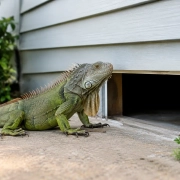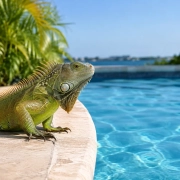
A green iguana stretched across a warm pool deck is more than an unpleasant surprise. Once it starts showing up regularly, it may be scouting the whole property for food, shelter, and a safe place to burrow. Understanding what attracts iguanas to pools helps South Florida owners address the reason they are there instead of just chasing them away for the day.

Pools can provide nearly everything an invasive iguana needs within a small, protected area: sun, water, dense landscaping, nearby food, and gaps around hardscape where digging may begin. That combination is why a single sighting can turn into repeat visits, droppings on the deck, chewed plants, and damage that gets expensive fast.

What Attracts Iguanas to Pools?

Iguanas do not visit pools because they enjoy swimming laps. They are usually responding to the conditions around the pool. A tidy backyard with tropical plants, a sunny deck, a water source, and quiet hiding places can look like ideal habitat.

Warm decks and sunny basking spots

Iguanas are cold-blooded. They need outside heat to regulate their body temperature, which makes pool decks, pavers, coping, seawalls, and patio furniture attractive places to bask. Light-colored concrete and stone can hold warmth long after the morning sun has moved on.

A pool area also gives an iguana a clear view of approaching people, pets, and predators. It can warm up quickly, then retreat into nearby shrubs, under a deck, or along a fence line when disturbed. If an iguana has used the same warm perch without consequence, it will often come back.

Easy access to water

Fresh water matters, especially during dry stretches. Iguanas may drink from the pool edge, skimmer area, dripping irrigation heads, pet bowls, fountains, or standing water near planters. Chlorinated pool water is not a healthy long-term water source, but that does not stop an iguana from using it when accessible.

Pool equipment areas can add to the problem. Condensation, leaking valves, and wet ground around plumbing create moisture and cover in one place. If you see repeated iguana activity near pumps or HVAC equipment, do not assume it is harmless. Their digging and droppings can create maintenance issues around already valuable systems.

Landscaping that doubles as a buffet

Most green iguanas eat plant material. Flowering plants, tender new leaves, fruit, vegetables, and many ornamental landscape plants can draw them toward a yard. Poolside landscaping is often lush because it is irrigated regularly and designed for a tropical look, which makes it especially appealing.

Fallen fruit is a common invitation. So are vegetable gardens located near the pool, hibiscus, bougainvillea, flowering shrubs, and low-growing plants that offer both food and cover. Even if the pool itself has no food source, the landscape surrounding it may be enough to establish a regular feeding route.

Hiding places close to the water

Iguanas prefer areas where they can disappear quickly. Thick hedges, palms with low fronds, rock features, stacked materials, open crawl spaces, and gaps beneath decks all make a pool area more comfortable for them.

Waterfront properties face added pressure. Seawalls, canal banks, riprap, and shoreline vegetation can provide travel routes and potential nesting or burrowing locations. From there, an iguana may move between the water’s edge and the pool area with very little exposure.

Loose soil and weak edges for burrowing

Adult iguanas can dig extensive burrows, particularly in dry, sunny soil. Areas near pool decks, walkways, foundations, retaining walls, and seawalls may give them a place to start. A small hole beside the patio can be the visible sign of a larger tunnel underground.

Not every iguana near a pool is burrowing, but repeated activity near cracks, deck edges, planter beds, or erosion-prone areas deserves attention. Burrows can undermine soil and contribute to settling, cracked pavers, damaged landscaping, and structural concerns around hardscape.

Why Iguanas Around a Pool Are a Property Problem

The first issue most owners notice is mess. Iguana droppings on lounge chairs, decks, coping, and walkways are unsanitary and can carry bacteria, including salmonella. That is a serious concern around places where children, guests, and pets spend time barefoot.

The bigger concern is often what happens out of sight. Iguanas can damage landscape plants, disturb irrigation, and dig where the soil needs to stay stable. On commercial properties, resorts, marinas, golf courses, and multifamily communities, recurring activity can create a poor guest experience along with real maintenance costs.

A pool deck is also not built to handle voids developing underneath it. When burrowing occurs near a deck, walkway, seawall, or foundation, the right response is not to wait for a larger crack or a soft spot to appear. The earlier the source of activity is addressed, the better the chance of limiting repairs.

How to Make Your Pool Area Less Attractive to Iguanas

No single change works on every property. A canal-front home with dense mature landscaping has different pressure than a screened suburban pool. Still, reducing food, cover, water access, and easy digging opportunities makes the area less welcoming.

Keep fallen fruit, plant clippings, and pet food cleaned up. Trim dense vegetation away from the pool enclosure and remove low cover where iguanas can hide. Check irrigation for leaks and avoid leaving standing water around equipment, planters, or hose connections.

If you have loose soil beside a deck or in a sunny planter bed, inspect it regularly for new holes and disturbed dirt. Do not simply fill an active burrow and assume the problem is solved. An iguana may dig out again, create another opening nearby, or remain inside depending on the timing.

Physical exclusion can help in the right setting. Repair gaps at gates and fencing, secure access beneath raised structures, and consider landscape changes that reduce easy shelter near the pool. These measures are most effective after active iguanas have been removed. Otherwise, you may just push the problem to another vulnerable part of the property.

What Not to Do When Iguanas Keep Returning

Do not feed iguanas, even indirectly. Tossing vegetable scraps outside or leaving fruit on the ground teaches them that your property is a dependable food stop. Avoid trying to grab, corner, or handle one yourself. Iguanas can scratch, bite, whip with their tails, and spread bacteria through contact with droppings or contaminated surfaces.

It is also wise not to rely on a quick scare tactic as a long-term fix. A hose, loud noise, or a dog may send an iguana away temporarily, but it will return if the same food, warmth, cover, and burrowing conditions remain. Repeated sightings usually mean there is a reason the animal has selected that area.

Removal methods and wildlife rules can also be situation-specific. Property owners should avoid improvised trapping or actions that create risks for people, pets, non-target wildlife, or neighboring properties.

When Professional Iguana Removal Makes Sense

Professional help is the practical call when you are seeing iguanas repeatedly, finding burrows near hardscape, dealing with droppings around a pool, or managing a large property where the problem keeps spreading. A trained local team can identify activity patterns, remove nuisance iguanas safely, and point out the conditions that are keeping them on-site.

For property managers and commercial operators, fast action protects more than appearances. It helps reduce complaints, sanitation concerns, landscaping losses, and the chance that a small burrowing issue becomes a repair project. Florida Iguana Ops provides licensed and insured removal focused on protecting the property, not selling gimmicks.

If iguanas are treating your pool area like home, take the pattern seriously. Cleaning up attractants and closing off shelter can help, but active burrowing or repeat visits are a sign to act before the deck, landscape, or seawall pays the price.
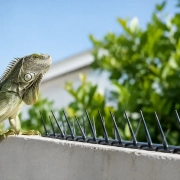
A few iguanas on a seawall, pool deck, or landscaped wall can turn into a property problem faster than most owners expect. Effective iguana deterrence is not about chasing one reptile out of sight. It is about stopping invasive iguanas from feeding, nesting, burrowing, and returning to the places that cost the most to repair.

In South Florida, green iguanas are established invasive reptiles. They are drawn to sunny hardscapes, dense landscaping, ornamental plants, canal edges, rooflines, and areas with easy access to food or shelter. Once they decide your property works for them, a hose spray or a plastic owl is rarely enough to change their behavior for long.

The right approach starts with understanding what is attracting them, removing active animals safely and legally, then making the site less inviting for the next one. That matters whether you manage a single-family home in Boca Raton, a marina, a golf course, a commercial building, or a multi-unit community with miles of landscaping and vulnerable infrastructure.

Why Iguana Deterrence Is a Property Protection Issue

Iguanas do more than eat flowers. Their digging and droppings can create costly, unsanitary conditions around the parts of a property people rely on every day.

Burrows are one of the biggest concerns. Iguanas dig into canal banks, seawalls, slopes, retaining areas, pool decks, driveways, sidewalks, and foundation-adjacent soil. A small opening may not look urgent, but repeated tunneling can remove support beneath concrete or weaken soil around a structure. On waterfront properties, burrowing near a seawall deserves quick attention. Waiting until a void grows or a section begins to shift can turn a manageable wildlife issue into a major repair.

Droppings create another problem. Iguana waste can collect on docks, patios, outdoor furniture, walkways, pool areas, roofs, and mechanical equipment. Besides being unpleasant for residents, guests, and employees, droppings may carry salmonella. That is a sanitation concern around children, pets, dining areas, and any shared commercial space.

Landscaping is often where the damage becomes most visible. Iguanas feed on many ornamental plants, fruits, vegetables, blooms, and tender new growth. They can strip a carefully maintained garden, damage irrigation lines while digging, and leave behind trampled beds that need repeated replacement. For a property manager, those recurring landscape costs add up quickly.

Commercial and industrial sites face another layer of exposure. Iguanas can shelter around equipment, enter protected exterior spaces, and foul HVAC units or rooftop areas. A removal plan needs to account for operations, employee safety, customer access, and the condition of the surrounding property – not just the animal seen that day.

What Actually Works for Iguana Deterrence

There is no single deterrent that works on every property. The best results come from combining professional removal with site-specific prevention. What works at a waterfront estate may not be the right answer for a restaurant patio, a golf-course pond, or a warehouse loading area.

Start by Removing Active Iguanas

Deterrents have limited value when established iguanas are still using the property as a food source, nest site, or shelter. If there are active burrows, regular sightings, fresh droppings, or visible damage, removal should come first.

This is where many property owners lose time. They install barriers or change landscaping while the same adult iguanas remain nearby. Those animals already know the access points and may simply move to another section of the property. Professional removal addresses the immediate population before prevention measures are asked to do the long-term work.

Safe, lawful removal also matters. Wildlife rules can be confusing, and handling a large iguana can lead to bites, scratches, tail strikes, or an animal escaping into a harder-to-reach area. A licensed and insured local operator can assess the site, remove nuisance iguanas responsibly, and identify the conditions bringing them back.

Remove the Easy Food Sources

Iguanas are opportunistic. If a property offers ripe fruit, accessible vegetables, pet food, birdseed, or plants they prefer to eat, it becomes part of their routine.

Pick up fallen fruit promptly and avoid leaving pet food outdoors. Bird feeders can also create a feeding opportunity when seed accumulates underneath them. Vegetable gardens may need physical protection, especially during periods when young plants are vulnerable. On commercial properties, make sure outdoor trash areas are secured and routinely cleaned.

Landscaping choices can help, but they are not a guaranteed fix. Some plants are less appealing to iguanas than others, yet a hungry or established animal may still test them. Think of plant selection as one part of deterrence, not a substitute for removal and exclusion.

Close Off Shelter and Burrowing Areas

Iguanas look for protected places to rest, hide, and nest. Dense ground cover, debris piles, open voids beneath decks, gaps around equipment pads, and loose soil along walls or banks can all make a property more attractive.

Once professionals confirm a burrow is inactive and it is appropriate to close, the area should be filled and stabilized correctly. Simply covering a hole without addressing the tunnel or surrounding soft soil may not solve the issue. The iguana may reopen it, or another animal may begin digging beside it.

Exclusion work should be matched to the site. A barrier around a garden bed is different from protection needed around a pool enclosure, dock area, HVAC equipment, or building access point. The goal is to block easy entry without creating drainage problems, maintenance headaches, or hazards for people using the property.

Use Scare Tactics Only as a Short-Term Layer

Motion-activated sprinklers, visual decoys, noise devices, and occasional water spraying may make an iguana leave temporarily. They can be useful as a short-term supplement in a small, manageable area. But iguanas often become accustomed to predictable devices, especially if food and shelter remain available.

That is the trade-off with most store-bought deterrents: they are inexpensive to try, but they can create a false sense of security when an infestation is already established. If you are seeing daily activity, repeated burrows, or animals on roofs and seawalls, the issue has moved past simple scare tactics.

Warning Signs That It Is Time to Call for Help

A single sighting does not always mean you have a major infestation. But recurring activity should not be ignored. Watch for fresh holes near foundations, seawalls, sidewalks, and pool decks; droppings in the same areas each morning; chewed plants; disturbed mulch; and iguanas gathering on warm roofs, docks, or retaining walls.

Pay close attention after heavy rain. Rain can expose soft spots around burrows, reveal erosion, and make existing ground instability easier to spot. Waterfront and canal-side properties should treat new burrows near structural edges as a priority, not a weekend project.

For commercial managers, document where and when iguanas are seen. Repeated sightings near a specific HVAC unit, trash enclosure, patio, loading zone, or guest walkway often point to a repeat access route or shelter area. That information helps build a practical removal and prevention plan without disrupting normal operations more than necessary.

A Better Long-Term Plan for Your Property

The goal is not to make a property look like a fortress. It is to make it inconvenient for iguanas to stay while protecting the areas where their activity causes real damage. That usually means targeted removal, cleanup of food sources, attention to burrows and access points, and follow-up monitoring during the times of year when activity increases.

A property with a single fenced garden needs a different plan than a waterfront community with seawalls, common areas, and dense landscaping. Honest iguana control starts with that difference. No gimmicks, no one-size-fits-all promise – just a clear look at the damage risk and the steps needed to reduce it.

Florida Iguana Ops helps residential and commercial property owners address active iguana problems before burrows, waste, and repeated damage become more expensive. If iguanas are already making themselves at home on your property, acting early gives you more options and protects the structures you worked hard to maintain.

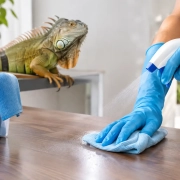
Iguana droppings on a pool deck, patio, dock, walkway, or air-conditioning pad are more than an ugly cleanup job. To sanitize iguana-contaminated surfaces correctly, you need to remove the waste without spreading it, disinfect the area with the right product, and stop the animals from returning to leave more behind. That matters in South Florida, where iguanas often gather around pools, waterfront properties, landscaped common areas, and commercial equipment.

Their droppings can carry germs, including Salmonella. The risk is higher where children, pets, customers, guests, or food-service staff may touch the same surfaces. A quick rinse with a hose may make the mess disappear, but it can also spread contaminated material across the deck, into drains, or onto nearby furniture.

Start With Safety, Not a Hose

Do not sweep or dry-scrub iguana droppings. Dry waste can break apart and spread dust onto your hands, shoes, nearby surfaces, and the air around the cleanup area. Keep children, pets, and bystanders away until the work is finished.

Put on disposable gloves before you touch waste, nesting material, shed skin, or soil from an active iguana area. Closed-toe shoes are a smart choice around heavily used patios, marinas, seawalls, and mechanical yards. If droppings are dry, plentiful, or in an enclosed space, wear a well-fitting mask and eye protection as well.

Have these supplies ready before you begin:

  • Disposable gloves and a trash bag
  • Paper towels or disposable absorbent material
  • A plastic scraper or scoop you can disinfect afterward
  • Household detergent and water
  • An EPA-registered disinfectant labeled for the surface and use area
  • A clean cloth or disposable towels

Read the disinfectant label before using it. The product must remain wet on the surface for its listed contact time to do its job. Spraying and immediately wiping it away is one of the most common cleanup mistakes.

How to Sanitize Iguana-Contaminated Surfaces Step by Step

Start by lightly wetting droppings with disinfectant or soapy water. The goal is to keep material from becoming airborne, not to blast it across the property. Use paper towels or a scoop to pick up the waste, then place everything used for cleanup into a sealed trash bag.

Next, clean the surface with soap or detergent and water. Disinfectants work best after visible dirt, feces, and residue are gone. Pay attention to cracks in pavers, textured concrete, grout lines, chair legs, pool-equipment pads, and the underside of outdoor furniture. Iguana waste can collect where a quick visual check misses it.

Apply the disinfectant according to its label directions, including the required wet contact time. Afterward, rinse only if the product label calls for it or if the surface will be touched by children, pets, bare feet, or food-related items. Let the area dry completely before reopening it for normal use.

Finish by removing gloves carefully and washing your hands thoroughly with soap and warm water. Hand sanitizer is not a replacement for washing after handling animal waste. Clean and disinfect reusable tools, then store them away from food-prep items, pool toys, and pet supplies.

Different Surfaces Need Different Cleanup Methods

Concrete, pavers, tile, and sealed pool decks are usually straightforward because they are nonporous. Clean the visible mess first, disinfect, and give the product enough contact time. Avoid using high-pressure water on contaminated areas unless the waste has already been removed. Pressure washing too early can spray contaminated debris onto walls, windows, furniture, landscaping, and anyone nearby.

For outdoor cushions, rugs, unfinished wood, mulch, soil, and other porous materials, the answer depends on how heavily contaminated the material is. Small, isolated droppings may be carefully removed and the item cleaned according to its care instructions. Heavily soiled cushions, fabric, or loose decorative material may need to be discarded. Trying to save every contaminated item can cost more in time and risk than replacement.

Pool water is a separate issue. A single dropping on the deck does not mean the pool needs to be drained. But if feces entered the water, keep swimmers out and address the situation using a pool professional’s sanitation guidance. Do not assume normal chlorine levels automatically solve every contamination problem right away.

For marinas and waterfront properties, do not hose waste directly into the water. Collect solids first, then clean the hard surface using products appropriate for the area. Runoff can create its own sanitation and environmental problem.

Do Not Forget the Places Iguanas Hide

The visible droppings are often only part of the problem. Iguanas favor sunny, protected spots near water, retaining walls, seawalls, landscaping, sheds, docks, and air-conditioning equipment. Look behind pool pumps, under decks, around storage areas, and along fence lines.

If iguanas have been nesting or burrowing near the property, avoid stepping into soft ground or trying to fill an active burrow without checking the situation. Burrows can undermine walkways, patios, driveways, seawalls, and building foundations. At a commercial site, that creates liability as well as repair costs.

Cleaning the droppings without addressing the animals is a short-term fix. Fresh waste on a newly cleaned patio usually means the property is part of an established feeding, basking, or shelter route. Recurring droppings near an HVAC pad can also signal a bigger concern, since iguanas may damage wiring, insulation, and equipment components.

When a Professional Cleanup and Removal Makes Sense

A homeowner can handle a small amount of waste on a hard, open surface with basic protective measures. The job changes when there is widespread contamination, repeated activity, an active nest or burrow, damaged property, or waste in a high-traffic business area.

Property managers, golf courses, marinas, restaurants, and multifamily communities have another concern: consistency. Staff should not be left to guess how to handle animal waste near guest areas, pools, walkways, playgrounds, or mechanical equipment. A documented professional response helps protect the property, its visitors, and the people expected to maintain it.

Florida Iguana Ops handles invasive iguana removal with the practical goal of protecting the property after cleanup. Removing the animals from the active area helps reduce repeat droppings, new burrowing, landscape damage, and the ongoing cycle of cleaning the same spots every week. Licensed and insured local service also means you do not have to figure out wildlife handling rules or put your maintenance team in a bad position.

Keep the Area From Becoming an Iguana Stop Again

After sanitizing, make the area less attractive. Pick up fallen fruit, secure trash, avoid leaving pet food outdoors, and reduce easy hiding places around sheds, decks, and equipment. Repair damaged screens or access points where practical. These steps can help, but they will not solve an established infestation on their own.

Watch for fresh droppings, new digging, claw marks, disturbed mulch, and iguanas using the same travel path at the same time of day. Those details help identify where removal efforts need to focus. On waterfront homes and commercial properties, early action is usually less expensive than waiting until burrows compromise a seawall, pool deck, or walkway.

A clean surface is worth protecting. If you are seeing fresh iguana waste after every cleanup, treat it as a property-control problem, not just a housekeeping problem, and get the activity handled before the damage and sanitation concerns spread.

A crawlspace is supposed to protect the underside of your property, not become shelter for invasive reptiles. If you need to stop iguanas entering crawlspaces, act before a small opening turns into a regular den site. Iguanas look for dry, shaded cover close to food, water, and warm surfaces. Once they find an easy way under a home, pool structure, office, or elevated building, they may return repeatedly.

The issue is bigger than a lizard under the floor. Iguanas can leave heavy droppings, contaminate surfaces with bacteria such as salmonella, damage insulation, chew or disturb vulnerable materials, and dig around the structure. In South Florida, a recurring iguana problem can also signal that openings, drainage issues, or landscape conditions need attention.

Why Iguanas Move Into Crawlspaces

Crawlspaces offer what iguanas want most: concealment. A gap in latticework, a loose vent cover, an opening around utility lines, or erosion beneath a slab can give them access without much effort. The space stays cooler during hot weather, blocks wind and rain, and keeps them out of sight from people and many predators.

Properties near canals, marinas, golf courses, lakes, and dense tropical landscaping tend to see more activity, but iguanas can turn up anywhere there is cover and a food source. Fallen fruit, pet food left outdoors, bird feeders, vegetable gardens, and accessible water can all keep them nearby.

A crawlspace also becomes more attractive when the surrounding ground is soft or poorly managed. Iguanas are capable diggers. They may expand an existing void or burrow near the perimeter, particularly where soil has washed out around a foundation, retaining wall, deck support, or utility penetration.

Signs You Have an Iguana Under the Structure

Do not wait until you see an iguana coming and going in broad daylight. By then, the animal may already have an established route beneath the building. Look along the crawlspace perimeter for fresh soil, disturbed mulch, drag marks, droppings, or openings that appear wider than they used to be.

Iguana droppings are often dark, tubular, and may have a lighter urate portion. They can be confused with waste from other animals, so the full picture matters. Repeated droppings near a vent, gap, or lattice panel are a strong clue that an animal is using that access point.

You may also notice scraping sounds, a musky odor in an enclosed area, damaged screening, or soil pushed out from beneath skirting. At commercial properties, inspect less obvious areas too, including equipment pads, storage buildings, raised walkways, clubhouse foundations, dock structures, and service corridors near HVAC systems.

Do Not Seal the Opening Too Soon

The most common mistake is closing the visible entry hole before confirming the crawlspace is empty. Sealing an iguana inside can create a worse problem. The animal may scratch through another weak point, become trapped, die beneath the structure, or leave you with an odor and sanitation issue that is much harder to address.

A proper exclusion job begins with an inspection. The goal is to identify active entry points, determine whether iguanas are currently inside, and find the conditions drawing them to the property. One visible gap is rarely the only concern. An animal that can enter through loose skirting may also be using a vent opening or a washed-out spot several feet away.

Active removal should come before final sealing. This is also the point where professional help matters. Handling an invasive reptile in a cramped crawlspace can be unsafe, especially when there are electrical lines, damaged supports, standing water, or limited access. A trained wildlife-control professional can remove the animal safely and then focus on keeping the area closed off.

Stop Iguanas Entering Crawlspaces With Proper Exclusion

After removal, secure every realistic access route, not just the one where the iguana was seen. The right materials depend on the structure. A raised home with decorative lattice needs a different approach than a commercial building with foundation vents and utility lines.

Use durable, corrosion-resistant hardware cloth or welded wire mesh where ventilation is needed. The mesh should be firmly fastened to framing or masonry, not loosely placed over an opening where an animal can push underneath it. Plastic garden fencing, lightweight screen, and unsecured lattice are usually temporary at best. They may look fine from a distance but will not hold up to weather, digging, or repeated animal pressure.

For gaps beneath skirting, the barrier should extend into the ground or be set in a way that prevents digging under it. The needed depth depends on soil conditions, drainage, and the shape of the perimeter. In sandy South Florida soil, a shallow, loose barrier can become exposed quickly after rain.

Pay close attention to these problem areas:

  • Foundation vents with torn or missing covers
  • Gaps around plumbing, conduit, and AC lines
  • Loose lattice, soffit panels, or skirting sections
  • Eroded soil beneath slab edges and deck steps
  • Openings around access doors and utility hatches

Exclusion should not block required airflow, drainage, or service access. That is why a quick patch is not always the right fix. Closing a vent completely, for example, can create moisture problems beneath a building. A secure vent guard can keep animals out while allowing the space to function as intended.

Clean Up the Crawlspace Safely

Once iguanas are removed and the openings are secured, handle the waste and debris carefully. Do not sweep dry droppings or kick them into the air. Disturbing contaminated material can spread dust and bacteria where you do not want it.

Wear gloves and appropriate protective gear, lightly dampen affected material if needed, and remove waste according to safe cleanup practices. Hard surfaces can be cleaned and disinfected. Insulation, vapor barriers, or stored materials that are heavily contaminated may need replacement rather than a surface wipe-down.

If the crawlspace has standing water, persistent moisture, or drainage failure, solve that issue too. Wet ground and washed-out soil can undermine exclusion work and create conditions that attract other nuisance wildlife. A clean, dry, properly maintained crawlspace is easier to inspect and far less inviting to animals.

Make the Area Less Attractive From the Outside

Exclusion handles the entry point, but the property around it still matters. Trim back dense vegetation that touches or crowds the structure. Remove fallen fruit promptly, secure garbage, and avoid leaving pet food outdoors. If bird feeders are drawing iguanas to a specific area, move them away from the building or reconsider their placement.

Landscape choices involve trade-offs. Thick ground cover and ornamental plantings may look good, but they can hide burrows and give iguanas protected travel lanes. You do not need to strip your yard bare. The practical goal is a visible perimeter where you can spot droppings, soil disturbance, and new gaps early.

Inspect after major rainstorms as well. Heavy rain can shift sand, expose old holes, loosen panels, and create new access under decks or foundation edges. A five-minute walk around the structure can catch a small issue before it becomes a repeat infestation.

When to Call for Professional Iguana Removal

Call for help when you see active iguana traffic, find a burrow near structural supports, discover heavy droppings, or cannot safely inspect the crawlspace yourself. It is especially worth bringing in a professional if the area is near a seawall, pool deck, foundation, electrical equipment, or commercial operation where damage and downtime carry real costs.

Florida Iguana Ops provides local, straightforward removal and exclusion support for South Florida property owners who need the job done right. No gimmicks and no runaround: remove the active problem, identify how the animal got in, and secure the area before it becomes a repeat issue.

A crawlspace should stay dry, accessible, and animal-free. Take care of the first signs of entry now, and you protect more than the space under the building. You protect the structure, the people using the property, and your ability to avoid a much more expensive repair later.

A burrow beside a seawall, droppings near a customer entrance, or iguanas gathering around rooftop equipment can look like separate maintenance problems. They are often signs of one active issue that needs a clear look at the whole property. A commercial wildlife assessment identifies where invasive iguanas and nuisance wildlife are active, what they are damaging, and what needs attention before a manageable problem turns into an expensive repair.

For South Florida property managers, marina operators, golf-course teams, and business owners, the goal is not paperwork. The goal is to protect the site, keep guests and employees safe, and stop damage from growing while operations continue.

What a Commercial Wildlife Assessment Looks For

A proper assessment starts with the areas wildlife uses most, not just the place where an animal was last seen. Iguanas move between food sources, sunning areas, water access, landscaping, drainage routes, and cover. On a commercial property, those paths can run through high-value infrastructure.

The inspection looks for active iguana activity, established burrows, droppings, nesting areas, damaged plant material, and access points around buildings and equipment. It also considers the property layout. A waterfront site has different pressure points than a shopping center, hotel, apartment community, or golf course.

The point is to separate a one-time sighting from an active population using the property. One large iguana on a walkway may be a visible nuisance. Several burrows near a retaining wall or recurring activity around a mechanical area is a property-protection concern.

Burrows and structural exposure

Iguanas dig. That is the issue commercial properties cannot afford to ignore. Their burrows can undermine soil around seawalls, foundations, sidewalks, pool decks, driveways, retaining walls, and drainage features. The damage may not be obvious from the surface at first.

A small opening in landscape mulch can lead to a much larger cavity below grade. Near water, repeated burrowing can contribute to erosion and instability around seawalls and banks. Near paved areas, soil loss can create settlement, cracking, or trip hazards. If the site already has aging infrastructure, the risk can be higher.

An assessment documents where burrows are located, whether they appear active, and how close they are to assets that matter. That helps a manager prioritize action instead of guessing which holes can wait and which ones need immediate attention.

Sanitation and public-facing areas

Iguana droppings are more than an appearance problem. They can create slippery walkways, foul odors, and sanitation concerns in areas used by customers, residents, guests, and staff. Reptiles can carry salmonella, so waste around patios, pool areas, docks, outdoor dining spaces, playgrounds, and entryways deserves a prompt response.

Commercial properties also have a reputation to protect. Guests do not see a wildlife-management issue when they step around droppings near a lobby or find a large iguana beside a pool. They see a property that is not being maintained. A professional assessment identifies those visible pressure points before complaints stack up.

Equipment, landscaping, and operations

Invasive iguanas can damage more than turf and ornamental plants. They may shelter around HVAC equipment, utility areas, dock structures, storage zones, and landscape beds that provide cover and warmth. Their feeding can strip valuable landscaping quickly, especially at properties that invest heavily in curb appeal.

The assessment also looks at operational friction. Can wildlife activity interfere with grounds crews? Is it creating a hazard for a technician working near equipment? Are employees repeatedly trying to handle animals themselves? Those details matter because a problem that interrupts work is already costing the business money.

Why a Site Walk Is Better Than a Quick Quote by Phone

A phone call is a good first step, especially when there is urgent activity. But commercial wildlife pressure is rarely the same across an entire property. Two buildings a few blocks apart can have very different risks based on water access, vegetation, traffic patterns, construction gaps, and available shelter.

A site assessment gives the property manager a practical picture of the conditions on the ground. It helps answer the questions that actually affect the plan: Where are the animals entering? Which areas are active now? Is there evidence of repeated burrowing? What assets are closest to damage? Can removal be completed without disrupting customers, tenants, golfers, boaters, or staff?

That last question matters. A well-run commercial job should account for the way the property operates. A marina may need work coordinated around dock access. A golf course may need attention focused away from play. A retail or hospitality site may need service planned around peak customer hours. There is no one-size-fits-all approach, and anyone promising one before seeing the site is not giving you the full picture.

What Happens After the Assessment

The assessment should lead to a straightforward plan, not a vague recommendation. The priority is typically active iguana removal in the areas creating the greatest risk, followed by steps to reduce the conditions that keep drawing animals back.

That can include addressing active burrows before they expand, reducing accessible food sources, clearing cover in targeted areas, and identifying openings or landscape features that make a location easy for iguanas to use. Property changes need to make sense for the site. Removing every bit of vegetation is not realistic for a resort, golf course, or landscaped office campus. Targeted changes are usually more practical and more effective.

Removal also needs to be handled lawfully and safely. Commercial teams should not ask maintenance staff, security guards, or tenants to deal with large iguanas on their own. That can create injury risk, animal-handling issues, and liability concerns. A licensed and insured wildlife-control provider can handle the work with the right equipment and a clear plan.

When to Schedule an Assessment

Do not wait for obvious structural failure. Call for a commercial wildlife assessment when you see recurring iguanas in one area, fresh burrows near hardscape or water, repeated droppings around guest spaces, damaged landscaping, or wildlife activity near HVAC and utility equipment.

It is also smart to schedule an inspection before a major maintenance project. If a property is repairing a seawall, replacing pavers, renovating a pool deck, or reworking landscaping, existing burrows and wildlife traffic should be identified first. Fixing the surface without dealing with the activity underneath can lead to repeat damage.

For properties that deal with recurring pressure, seasonal monitoring may make sense. South Florida iguana activity does not always announce itself with one dramatic event. It often builds gradually, then becomes urgent after burrowing, waste, or landscape loss reaches a point that can no longer be ignored.

Choose Clear Answers, Not Guesswork

The right provider should explain what was found in plain language. You should know where the problem is, what it threatens, what work is recommended, and why. You should not get scare tactics, mystery pricing, or a rushed plan that ignores the way your property runs.

Florida Iguana Ops approaches commercial sites as property-protection jobs. That means showing up on time, identifying the real pressure points, and doing the removal work with care for the people and infrastructure on site. Whether the concern is a marina seawall, a pool deck, a landscaped entrance, or a busy outdoor common area, the job is to stop the damage before it becomes the next emergency repair.

A clean, well-managed property sends a message long before anyone walks through the door. If wildlife activity is starting to change that message, getting a professional set of eyes on the site is a practical place to start.

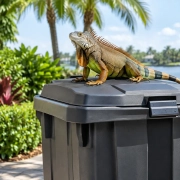
A trash can tipped over beside the pool deck is more than an ugly cleanup. In South Florida, open food waste can draw iguanas into the same areas where they burrow near walkways, seawalls, landscaping, HVAC equipment, and foundations. The best iguana proof trash bins do not just hide garbage. They reduce easy access, limit repeat visits, and help keep a nuisance wildlife problem from getting worse.

Iguanas are strong climbers and persistent scavengers. A lightweight can with a loose lid may be easy for them to investigate, especially when it contains food scraps, pet food packaging, fruit peels, or takeout containers. A better bin is one part of protecting the property. It will not remove an established iguana population, but it can take away one reason they keep returning.

What Makes a Trash Bin Iguana Proof?

No outdoor trash bin is completely iguana-proof if it is left open, overfilled, damaged, or placed where an animal can knock it down. The goal is to make access difficult enough that iguanas move on instead of treating your garbage area like a dependable food source.

Start with the lid. A lid needs to close tightly and stay closed when the bin is bumped or tipped. Simple flip-top lids often leave gaps around the edge and can pop open under pressure. Look for a bin with a latching lid, a molded locking mechanism, or a lid that can be secured with a compatible strap or lock.

Material matters too. Heavy-duty plastic bins are often practical for homes, but thin plastic cracks in the Florida sun and becomes easy to damage. For commercial properties, marinas, restaurants, multifamily communities, and high-traffic common areas, metal dumpster enclosures or heavy commercial containers usually hold up better. They also make it harder for a large iguana to climb into waste through a broken side panel or warped lid.

The bin itself should be stable. A tall, narrow can may be convenient, but it is easier to tip than a wide-based container. Wheels are useful on collection day, yet bins should be stored where they cannot roll, lean, or get pushed against a wall that gives wildlife an easier route to the top.

The Best Iguana Proof Trash Bins by Property Type

The right setup depends on where the waste is generated and how much of it you handle. A homeowner with one curbside cart does not need the same equipment as a condo association, golf course clubhouse, or waterfront restaurant.

For single-family homes

A heavy-duty curbside cart with an attached lid and a secure latch is usually the best starting point. Choose a cart with thick walls, a wide wheelbase, and a lid that sits flat without visible gaps. If your current cart has no latch, a weather-resistant bin strap can help keep the lid shut between collection days.

Keep food waste bagged before it goes outside. This will not stop every iguana from investigating, but it reduces odors and loose scraps if the container is disturbed. Do not leave garbage bags on the ground beside a full cart. That is an open invitation for iguanas, rats, raccoons, and other nuisance wildlife.

For pool decks, patios, and outdoor kitchens

Use a smaller, weighted receptacle with a self-closing or latching lid. Open-top decorative trash cans look clean until wind, guests, or wildlife scatter the contents across the patio. A covered can with an internal liner is easier to maintain and less likely to become a feeding spot.

Avoid placing it directly beside dense hedges, stacked patio furniture, or a low wall. Iguanas use cover and climbing points. Give the bin some clear space so there are fewer easy approaches and fewer places for reptiles to hide after feeding.

For commercial and multifamily properties

Commercial sites need a system, not just a better can. Large dumpster lids should close fully, and broken plastic lids, bent hinges, and gaps around enclosure gates should be repaired quickly. If a dumpster enclosure has a wide opening under the gate, it can become a regular access point for wildlife.

Keep the enclosure clean. Leaking bags, loose cardboard with food residue, and overflowing waste create a dependable feeding station. For restaurants, marinas, and facilities with outdoor dining, frequent waste pickup may be worth the cost during busy seasons. One overflowing weekend can establish a pattern that is hard to break.

Features Worth Paying For

When comparing the best iguana proof trash bins, skip the marketing language and inspect the parts that actually matter. A secure lid, durable body, stable base, and easy cleaning surface are the priorities.

A latch is more useful than a tight-fitting lid alone. Look for hardware that is simple enough for staff or family members to use correctly every time. A complicated locking system often gets left open when people are in a hurry.

Smooth interior walls also help. Food residue collects in ridges, cracks, and damaged corners, creating odors that attract wildlife. A bin that can be rinsed out easily is more likely to stay sanitary. For properties with repeated wildlife activity, line the bottom with a heavy garbage bag and clean spills as soon as they happen.

Do not overlook UV resistance. South Florida heat can make cheap plastic brittle fast. If the lid no longer sits level or the hinge has cracked, the bin is no longer doing its job. Replacing one damaged cart is cheaper than dealing with a recurring mess next to a guest area, pool, or building entrance.

Placement Matters as Much as the Bin

Even a strong bin can fail when it is stored in the wrong place. Keep trash containers on a flat, solid surface instead of mulch, grass, or loose gravel. A stable pad makes the bin harder to tip and makes droppings, spills, and other sanitation problems easier to spot.

Store bins away from seawalls, canal edges, drainage areas, and known burrows whenever possible. Those are common travel routes and shelter areas for iguanas. If you have a choice, put the bin closer to a well-lit, active part of the property rather than behind a shed or at the edge of thick vegetation.

Do not wedge a bin against a fence, AC unit, or wall. That can create a climbing route to the lid. Keep the surrounding area clear of boxes, yard debris, fallen fruit, and unsecured pet food. The bin may be the visible target, but the overall food source is what keeps wildlife interested.

A Locked Trash Can Will Not Fix an Active Infestation

Trash control is prevention, not removal. If iguanas are already living under a deck, digging around a seawall, nesting near a foundation, or gathering around a commercial waste area, a better bin alone will not solve the problem.

Watch for fresh burrows, claw marks, droppings, damaged landscaping, or repeated sightings at the same time of day. Iguana droppings can carry salmonella, so do not sweep them into a patio drain or handle them without gloves. Keep children and pets away from active burrows and from wildlife around the trash area.

Trying to corner or grab a large iguana can lead to injury and usually sends the animal deeper into cover. Professional removal addresses the animals already on the property while you correct the conditions that encourage them to return.

Protect the Waste Area Before It Becomes a Bigger Property Problem

For a home, that may mean replacing a cracked cart, securing the lid, and moving the bin away from a burrow zone. For a business or managed property, it may mean inspecting dumpster lids, training staff not to leave bags outside, and scheduling regular cleanup around enclosures.

If iguanas are repeatedly feeding, nesting, or burrowing near your waste area, Florida Iguana Ops can help identify the activity and remove the nuisance animals safely. The goal is straightforward: protect the property, stop the repeat traffic, and keep a garbage problem from turning into damage to decks, landscaping, equipment, or waterfront infrastructure.

A secure trash bin is a simple upgrade, but it works best when it is part of a property that gives iguanas fewer reasons to stay.

An iguana on a fence line may look like a minor maintenance issue. A row of fresh burrows along a seawall, droppings outside a restaurant entrance, or reptiles gathering around rooftop equipment is different. Knowing when businesses need wildlife professionals can prevent a nuisance animal problem from turning into damaged infrastructure, sanitation complaints, lost time, and expensive repairs.

For South Florida property owners and managers, invasive iguanas are not a problem to put off until the next landscaping visit. They dig, climb, nest, leave waste in high-traffic areas, and return to places that provide food, cover, warmth, and easy access to water. The right response depends on the property, the extent of activity, and where the animals are causing trouble. But when commercial assets, guests, employees, or structural areas are involved, professional removal is usually the practical call.

When Businesses Need Wildlife Professionals Most

A business should bring in trained wildlife professionals when the issue has moved beyond a single animal passing through the property. Repeated sightings, active burrows, visible damage, waste buildup, and animals in restricted areas are all signs that the property needs more than a quick cleanup.

The biggest concern is not always what is visible. Iguanas can create problems below ground before anyone sees a major collapse or crack. Their burrows may undermine soil around seawalls, walkways, patios, driveways, pool decks, foundations, and canal-side structures. A manager may first notice a soft spot, settling pavers, loose edge along a retaining area, or a hole near the water. By that point, the digging may have been going on for weeks or longer.

Wildlife professionals are also needed when a business cannot safely or legally handle the situation on its own. Employees should not be asked to catch reptiles, investigate deep burrows, work near water edges, or climb around rooflines and mechanical equipment. That creates injury risk, liability concerns, and an uneven result. A trained, licensed, and insured provider can assess the site, remove the animals properly, and explain where conditions are encouraging repeat activity.

Damage That Makes Waiting a Costly Choice

Commercial properties have more to lose than a few damaged plants. Iguanas can affect operations, appearance, and long-term maintenance budgets at the same time.

Seawalls, canals, and marina areas

Waterfront properties are especially vulnerable. Iguanas burrow into banks and around seawall systems because the soil is often easy to dig and the water provides a reliable habitat. Those tunnels can weaken surrounding ground and contribute to erosion. At a marina, condo community, hotel, or waterfront restaurant, an ignored burrow can become a safety concern near docks, walkways, utility lines, or retaining structures.

Seawall repair is not a small bill. When active animal burrowing is part of the problem, removal needs to happen before repairs are made. Otherwise, the property may pay to restore an area only to have the same wildlife activity start again.

Pools, decks, landscaping, and guest areas

Iguanas damage landscaping by feeding on plants, digging into beds, and leaving droppings where customers, residents, and staff spend time. On golf courses, they may affect landscaped common areas, cart paths, water features, and course presentation. At apartment communities and retail centers, droppings around benches, sidewalks, pool areas, and building entrances make the property look neglected.

Appearance matters, but sanitation matters more. Iguana waste can carry salmonella and other bacteria. That is a serious concern around outdoor dining, pool decks, playground-adjacent spaces, break areas, and entrances. Maintenance staff can clean the mess, but cleaning does not stop the animals from returning.

HVAC and equipment areas

Rooftop and ground-level equipment zones can become warm shelters for nuisance wildlife. Iguanas may gather near HVAC units, piping, electrical areas, and other mechanical systems. Their presence can create mess, access issues for technicians, and damage risk around equipment that keeps a business operating.

A commercial HVAC loss can be far more expensive than the removal service that could have helped prevent it. If animals are regularly seen around units, enclosures, rooftops, or utility yards, treat it as a property-protection issue, not just a wildlife sighting.

Signs the Problem Is Becoming an Operational Issue

Not every wildlife sighting requires an immediate service call. A single iguana crossing a parking lot may not indicate an established problem. The situation changes when there is a pattern, damage, or exposure to people and property.

Call for a professional assessment when you see repeated iguanas in the same area, burrows near structures, soil washing out around canal edges, droppings in customer-facing spaces, damaged plants, or reptiles entering areas where staff work. Fast action also makes sense when animals are showing up around food service, pools, schools, marinas, HVAC equipment, loading zones, or heavily traveled walkways.

The same applies when your team is spending too much time dealing with the issue. If maintenance crews are repeatedly filling holes, cleaning waste, replacing landscaping, or trying to chase animals away, the property is already paying for the problem. Those efforts may provide a short-term improvement, but they rarely address the source of recurring activity.

Why DIY Removal Is a Bad Fit for Most Businesses

Businesses often try the simplest response first: block a hole, remove food sources, clean up droppings, or ask a staff member to scare the animals away. Good site maintenance helps, but it is not always enough. Iguanas are persistent, and a property with suitable shelter, food, water, or nesting areas can continue attracting them.

There is also a difference between making a site less inviting and physically removing established animals. Burrows must be evaluated carefully. Closing an active burrow without addressing the animal activity can lead to more digging nearby. Working around seawalls, slopes, dense landscaping, rooflines, or mechanical areas also requires the right approach to avoid creating further damage.

For a business, DIY work creates another problem: accountability. If an employee gets hurt, mishandles an animal, or damages a property feature while trying to solve the issue, the cost can outweigh any perceived savings. A professional service gives decision-makers a clearer process, safer handling, and a documented response to an active property concern.

What a Professional Wildlife Visit Should Accomplish

A legitimate wildlife-control provider should do more than show up, remove a visible animal, and leave. The first step should be a clear assessment of where the activity is happening, what is attracting it, and which assets are at risk. On a commercial property, that might include canal edges, landscaping, storage zones, roof access points, pool equipment, parking areas, dock facilities, and exterior mechanical systems.

The removal plan should fit the property. A golf course, marina, restaurant patio, office complex, and condo community do not have the same traffic patterns or risk points. Timing may matter. Access may need to be coordinated around guests, staff, vendors, residents, or scheduled maintenance.

Communication matters just as much. Property managers need straightforward answers about the scope of the issue, expected work, pricing, and practical next steps. No gimmicks, no runaround. Florida Iguana Ops provides local, licensed and insured removal with the goal of protecting the property, not selling a vague promise.

Prevention Starts After Removal

Removal is the immediate step when iguanas are actively damaging or occupying a business property. Prevention helps reduce the chances of the next problem. That can mean removing accessible food sources, improving waste handling, repairing vulnerable landscape areas, reducing hiding places where practical, and monitoring locations with prior burrows.

Still, prevention is not a guarantee. South Florida’s warm climate and abundant water make many commercial properties attractive to invasive reptiles. A waterfront site may need ongoing attention that an inland office park does not. A property with heavy vegetation may have different challenges than one with large paved areas. The point is to match the plan to the site instead of assuming one fix works everywhere.

If fresh holes appear after removal, if droppings return, or if new animals begin using the same area, act early. Quick follow-up is usually easier and less expensive than waiting for more digging, larger populations, or visible structural damage.

Protect the Property Before the Problem Spreads

Wildlife problems do not stay contained just because they start in a back corner of the property. An iguana burrow near a seawall can become a repair concern. Droppings near a patio can become a sanitation complaint. Activity around equipment can become an operations issue.

When the animals are recurring, digging, damaging assets, or creating exposure for people, bring in professionals who can handle the work safely and directly. The best time to protect a commercial property is before a small wildlife problem becomes the next costly repair.