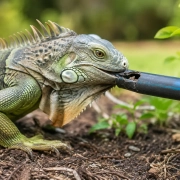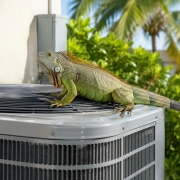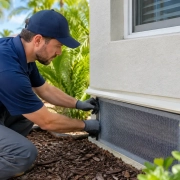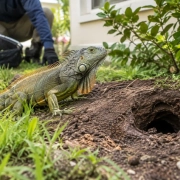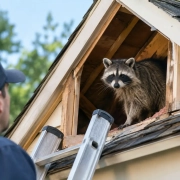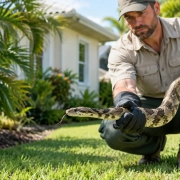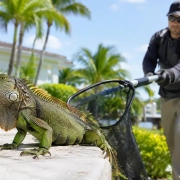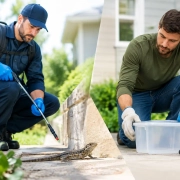
An iguana sunning itself on a seawall can look like a minor nuisance. The burrow underneath that seawall is the real problem. When weighing professional versus DIY reptile removal, South Florida property owners need to look past the animal in plain sight and consider the damage, sanitation, safety, and repeat-infestation risks hiding around the property.
For a single reptile far from structures, a homeowner may be able to discourage it from returning by removing food sources and securing attractive hiding spots. But a regular stream of iguanas, fresh burrows, droppings around a pool, or animals near equipment calls for a more serious response. The cheapest-looking option can become the expensive one when the issue is not fully handled.
Professional Versus DIY Reptile Removal: What Is Really at Stake?
DIY removal is usually driven by a reasonable instinct: solve the problem quickly before it gets worse. The trouble is that invasive reptile activity is rarely limited to one visible animal. Iguanas use landscaping, canal banks, seawalls, rooflines, patios, and warm mechanical areas for shelter. If conditions remain favorable, another iguana can move in after the first one is gone.
A professional service starts by looking at the property as a whole. That means identifying active areas, likely entry routes, burrowing activity, elevated hiding spots, food sources, and the features most vulnerable to damage. On a residential property, that may be a pool deck, retaining wall, screened enclosure, or landscaped slope. At a marina, golf course, or commercial site, the exposure can include shoreline infrastructure, guest walkways, irrigation systems, storage areas, and HVAC equipment.
The question is not simply, “Can this reptile be removed?” It is, “Can the property be protected from the next round of damage?”
The Limits of DIY Iguana Control
There are useful steps property owners can take on their own. Keeping fallen fruit picked up, avoiding outdoor feeding that attracts wildlife, closing access to sheds or crawl spaces, and monitoring new holes can make a property less inviting. These are prevention measures, not a complete answer to an active infestation.
DIY removal becomes a poor fit when an animal is hard to reach, when multiple iguanas are present, or when burrows appear around structural areas. A large iguana can scratch, bite, whip with its tail, or create a dangerous distraction near water, traffic, ladders, electrical equipment, or steep banks. Trying to handle an animal in those conditions can put a homeowner, employee, tenant, or guest in harm’s way.
There is also a sanitation issue. Iguana droppings can contaminate patios, docks, pool areas, outdoor kitchens, playground-adjacent spaces, and work areas. Reptiles may carry salmonella, so droppings and contaminated surfaces should be treated carefully, especially where children, pets, customers, or food are present. A quick cleanup without proper precautions can spread the problem rather than contain it.
Then there is the legal side. Wildlife rules and local requirements can apply to how invasive reptiles are captured, transported, or handled. Those requirements can change, and property owners should not have to guess whether a method is permitted or appropriate. A qualified local operator works within applicable requirements and handles removal in a way that does not leave the customer exposed to avoidable risk.
Why Property Damage Changes the Decision
An iguana near the hedge may be annoying. An iguana burrowing near a seawall, foundation, walkway, or pool deck is a property-protection issue.
Burrows weaken soil and can create voids beneath surfaces that need stable support. In South Florida, where water, sandy soil, heavy rain, and shoreline conditions already put pressure on outdoor structures, that can become a serious concern. A small hole can be an early warning sign, not a cosmetic issue to ignore.
Watch closely for these signs:
- Fresh holes along seawalls, canal banks, foundations, driveways, and walkways
- Cracked pavers, sinking soil, loose edging, or soft spots near landscaped areas
- Repeated droppings around pools, patios, docks, roofs, or mechanical equipment
- Multiple iguanas gathering in the same trees, rooflines, sunny walls, or shoreline areas
Property managers and commercial operators have an added responsibility. A damaged walkway, unsanitary guest area, or compromised bank is not just a maintenance headache. It can interrupt operations, create a liability concern, and lead to emergency repairs that cost far more than early removal.
What a Professional Removal Service Brings
Professional reptile removal is not just paying someone else to catch an iguana. The value is experience, proper equipment, safe handling, and accountability for doing the job thoroughly.
A trained team can assess where the reptiles are active and choose a practical approach for the property. That matters because no two sites are the same. A waterfront home in Jupiter has different access and burrowing concerns than a Boca Raton condominium property, a Palm Beach Gardens golf course, or a marina with public foot traffic.
Professionals also reduce the chance of turning a removal attempt into a bigger disturbance. Chasing reptiles through landscaping, around a pool, or across a busy commercial property can scatter animals into harder-to-reach areas. Careful removal focuses on control, not chaos.
For owners, licensed and insured service also means a clear point of responsibility. You are not asking a maintenance worker, tenant, or family member to take on a wildlife-control job beyond their training. You have a local crew whose work is centered on protecting the property and addressing the problem directly.
Florida Iguana Ops takes that practical approach: show up on time, assess the conditions, remove the nuisance animals safely, and give the property owner a straightforward path forward. No gimmicks and no runaround when burrows, droppings, or repeat iguana activity are putting valuable outdoor areas at risk.
When DIY Can Make Sense
DIY prevention has a place when there is no active structural damage, the animal is not creating an immediate hazard, and the property owner is focused on making the area less attractive over time. Routine cleanup, landscape maintenance, and observation can help catch an issue before it grows.
It is not a good substitute for professional removal when activity is recurring or concentrated. If you are seeing new burrows after filling old ones, finding droppings every morning, hearing movement in inaccessible areas, or watching iguanas return to the same shoreline or roofline, the conditions that attracted them are still in play.
A one-time sighting and an infestation are not the same thing. The right response depends on location, frequency, animal size, access, and what is nearby. A reptile in an open area away from people and structures presents a different level of concern than one living beside a pool pump, under a deck, or along a canal wall.
The Cost Question: Cheap Today or Protected Tomorrow?
DIY often appears less expensive because the immediate cash cost is low. But that calculation leaves out time, missed animals, improper handling, repeat visits, sanitation work, and potential property repairs. It also leaves out the cost of waiting while burrows expand or an animal damages a sensitive area.
Professional service has an upfront cost, but it is built around resolving the active issue safely and reducing the odds of the same problem continuing unchecked. For high-value property assets such as seawalls, pool decks, foundations, landscaping, and commercial equipment, that is often the better financial decision.
The most practical move is to act before a visible nuisance turns into a repair project. If iguanas are repeatedly using your property, treat the activity as a warning. Early, responsible removal protects the spaces you use every day and gives you a better chance of keeping the problem from settling in.