
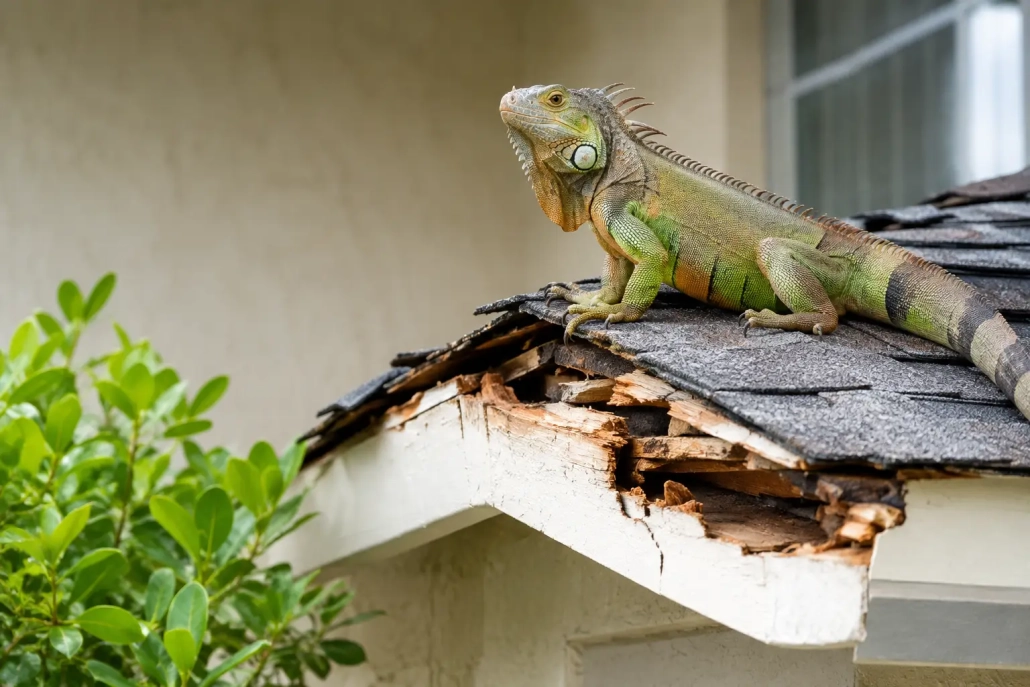
Homeowner Guide to Iguana Property Damage
A cracked paver or a small hole along a seawall can look like a minor maintenance issue. In South Florida, it can also be the first visible sign of a much bigger problem underground. This homeowner guide to iguana property damage explains where invasive iguanas cause trouble, how to recognize the warning signs, and when it is time to bring in professional removal help before repairs get expensive.
Green iguanas are not just passing through when they settle on a property. They feed, climb, nest, and burrow. A few animals around a canal, pool area, dock, or landscaped yard can turn into a recurring property-protection issue quickly, especially during nesting season.
Why Iguana Damage Is More Than a Yard Problem
Iguanas are strong diggers. They create burrows for shelter and nesting, often choosing dry, sunny ground near structures, water, and thick landscaping. Unfortunately, those are also the areas homeowners spend serious money to build and maintain.
A burrow can weaken soil beneath walkways, pool decks, patios, driveways, and retaining areas. Near a seawall or canal bank, digging may contribute to erosion and instability. One hole is not automatically a structural emergency, but ignoring active burrowing gives the problem time to spread below the surface.
Their droppings create a separate issue. Iguana waste can collect on docks, pool decks, outdoor furniture, roofs, walkways, and near air-conditioning equipment. Besides looking bad and creating slip hazards, reptile droppings can carry bacteria such as salmonella. That matters most around children, pets, food-prep areas, guest spaces, and shared community amenities.
The damage is rarely limited to one category. Homeowners often first notice chewed plants, then find burrows, droppings, displaced mulch, or disturbed soil nearby. The longer iguanas treat the property as home, the more likely the cleanup and repair bill grows.
Common Places Iguanas Damage Residential Property
Iguanas look for cover, food, warmth, and access to water. That makes many well-kept South Florida properties especially attractive. A clean yard does not prevent an infestation, and a property near a canal, lake, golf course, marina, or dense vegetation may have more consistent iguana traffic.
Seawalls, Canal Banks, and Waterfront Edges
Waterfront homeowners should take burrows seriously. Iguanas commonly dig along sloped banks and near seawall structures because these areas can provide loose soil, cover, and sun exposure. Repeated tunneling can move soil where you need it most and complicate erosion control.
Look for fresh holes, loose soil, collapsing edges, or sections where mulch and groundcover keep sliding toward the water. If a hole appears close to a seawall, do not assume filling it once solves the issue. If the animals are still active, they may reopen it or begin another burrow nearby.
Pool Decks, Patios, and Paver Walkways
Warm pavers and pool decks are favorite basking spots. Iguanas may also burrow beside a patio, underneath edge landscaping, or near the base of a deck. Over time, disturbed soil can lead to settling, uneven pavers, cracks, and trip hazards.
Droppings around pools bring another concern. Nobody wants guests stepping around reptile waste on the way to the water, and washing droppings into the pool area is not a good sanitation plan. Keep pets and children away from fresh droppings until the area can be cleaned safely.
Landscaping and Irrigation Areas
Iguanas eat many common ornamental plants, flowers, fruits, and tender new growth. They can strip a garden bed that took years to establish. Their digging also uproots plants, exposes irrigation lines, and scatters mulch across walkways and lawns.
A homeowner can replace damaged plants, but that does not address the cause. If the iguanas remain, fresh landscaping simply becomes their next meal or hiding place. Thick groundcover and unmanaged brush can make the problem harder to monitor because burrows stay hidden.
HVAC Equipment and Utility Areas
Outdoor equipment pads, condenser areas, and utility corridors offer shade and protection. Iguanas can leave droppings around mechanical equipment, dig near pads, and create access issues for technicians. Waste buildup and animal activity near HVAC equipment are not something to leave until the next maintenance visit.
Keep an eye on these less-visible parts of the yard. A professional may notice signs of activity in areas homeowners do not inspect often, including behind hedges, under decks, and along fence lines.
Warning Signs You Have Active Iguanas
Seeing an iguana once does not always mean you have an established infestation. A large animal crossing the yard may be passing through. Repeated sightings in the same area, however, usually mean the property offers food, shelter, or a nesting location.
Watch for these signs together:
- Fresh burrow openings, loose soil, or tunnel entrances near structures
- Repeated droppings on decks, docks, patios, roofs, or walkways
- Missing leaves, damaged flowers, bitten fruit, and uprooted plants
- Iguanas regularly basking near the same wall, pool, seawall, or equipment area
- Soil settling, shifting pavers, or erosion near an active burrow
The pattern matters. A few chewed leaves are frustrating. Chewed leaves combined with burrows near a pool deck or canal bank call for faster action.
What Not to Do When You Find a Burrow
Do not put your hands into a burrow. Iguanas can bite, scratch, whip with their tails, and carry bacteria. A nesting female may also be more defensive around an active nest.
Avoid trying to seal an occupied burrow with rocks, concrete, or packed soil. Closing the hole without removing the animal can trap it, force it to dig elsewhere, or leave you with a worse odor and sanitation problem. It can also mask a void that still needs evaluation, particularly near a seawall, patio, or foundation area.
Home remedies have limits. Motion devices, scent products, and yard changes may discourage some activity, but they do not reliably remove an established animal or stop a nesting cycle. Trapping and removal also involve safety and legal considerations. This is not a job to hand off to an unprepared neighbor or a general handyman.
A Practical Response to Iguana Property Damage
Start by documenting what you see. Take photos of holes, droppings, damaged plants, settling pavers, and the animal itself from a safe distance. Note when and where iguanas appear. This helps identify repeat routes and gives a removal professional a clearer picture of the problem.
Next, protect the immediate area. Keep children and pets away from burrows and droppings. If you have a hole near a walkway, deck edge, or waterfront structure, mark it so nobody steps into weakened ground. Do not wash droppings into a pool, canal, or storm drain.
Then arrange professional removal before making permanent repairs. Removing active iguanas first helps prevent new digging in the same spot. Once the activity is under control, you can address soil replacement, landscaping, paver leveling, erosion protection, or any needed structural assessment.
This order matters. Repairing first and removing later often means paying for the same work twice.
When a Professional Removal Service Makes Sense
Call for help when you see repeated iguana activity, active burrows near structures, droppings in living or guest areas, or damage that keeps returning. The need is more urgent around seawalls, pools, foundations, playgrounds, docks, commercial mechanical equipment, and heavily used walkways.
A qualified local service should explain what they found, remove the animals safely, and give you a straight answer about the next steps. Florida Iguana Ops provides licensed and insured removal for homeowners and property managers who need the job handled without gimmicks or runaround.
After removal, reduce the reasons iguanas return. Keep fallen fruit picked up, trim dense hiding cover where practical, inspect vulnerable edges regularly, and repair damaged screens or access points. These steps help, but they work best after the active animals are addressed.
A small burrow is easier to deal with than a compromised deck edge, recurring sanitation issue, or costly seawall repair. If iguanas are making a habit of your property, act while the damage is still manageable.



Leave a Reply
Want to join the discussion?Feel free to contribute!