
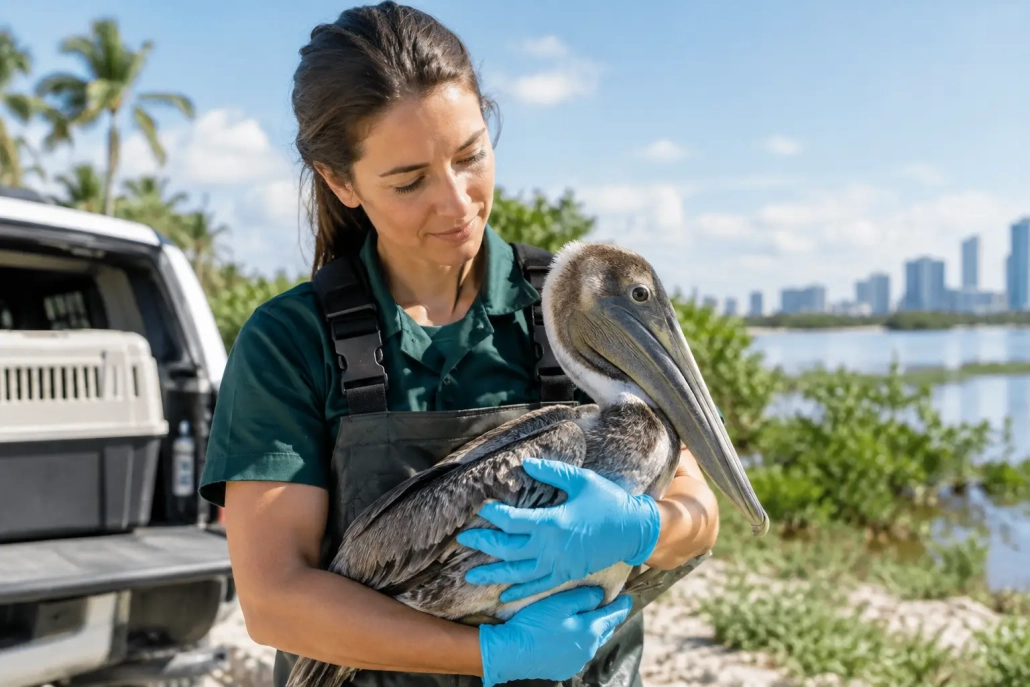
Emergency Wildlife Response for South Florida
An iguana on a fence is one thing. A fresh burrow opening beside a seawall, a pool deck that has started to settle, or droppings piled around restaurant equipment is another. Emergency wildlife response is for the situations where nuisance wildlife has moved beyond being an annoyance and is putting people, property, or daily operations at risk.
In South Florida, invasive green iguanas can create that kind of trouble fast. They dig where the ground is already vulnerable, gather around warm mechanical equipment, leave unsanitary waste in high-traffic areas, and return to places that have worked for them before. Waiting for the problem to “calm down” can turn a manageable removal job into a repair bill for a seawall, walkway, landscape bed, or HVAC system.
When Emergency Wildlife Response Is the Right Call
Not every wildlife sighting needs an urgent response. A single iguana crossing a yard may not be a crisis. But the situation changes when there is active damage, a clear safety concern, or an infestation affecting an occupied or operational property.
Fresh digging near a seawall, canal bank, foundation, driveway, pool deck, or retaining area deserves quick attention. Iguanas tunnel into loose soil and can weaken the ground supporting expensive structures. On waterfront property, one burrow can be a warning sign. Multiple burrows along the same wall or bank can create a much larger stability concern, especially after heavy rain.
Commercial properties have their own warning signs. Iguanas often use warm, protected areas near air-conditioning condensers, electrical equipment, docks, storage areas, kitchens, and loading zones. If droppings are accumulating near guest areas, staff entrances, outdoor dining, or mechanical systems, the issue is no longer cosmetic. It affects sanitation, safety, and the way customers see the property.
Call for professional help promptly when you see active burrows near critical infrastructure, animals inside a fenced pool or enclosed work area, repeated wildlife activity around equipment, large droppings where people walk, or an injured animal creating a public safety concern. Those are problems that require a real response plan, not a homeowner trap and a guess.
Why Iguana Problems Escalate So Quickly
Iguanas are invasive reptiles, and South Florida gives them what they need to thrive: warmth, water, cover, and plenty of landscaped food sources. They are strong climbers, capable swimmers, and persistent burrowers. Removing one visible animal without addressing the activity around the property may not stop the larger issue.
The biggest risk is often below ground. Iguana burrows can undermine soil under pavers, walkways, decks, drainage areas, and shoreline structures. A small hole may look harmless from the surface, but it can lead to erosion or settling that is expensive to correct. This is especially serious around marinas, canal-front homes, golf courses, and properties with seawalls.
Then there is the cleanup issue. Iguana droppings are not something to ignore near pools, patios, docks, outdoor kitchens, playgrounds, or business entrances. Reptiles can carry salmonella, and waste buildup creates an unsanitary condition for residents, guests, employees, and pets. It can also attract insects and other pests.
Equipment is another common target. Iguanas seek warmth and shelter around outdoor HVAC units and utility areas. They may damage wiring, clog components, or create conditions that interfere with normal operation. For a homeowner, that can mean an unexpected repair call. For a facility manager or restaurant operator, it can mean downtime when the equipment is needed most.
What to Do Before Help Arrives
A fast response starts with avoiding the wrong move. Do not try to corner, grab, poison, or relocate an iguana yourself. Large iguanas can bite, scratch, whip with their tails, and react unpredictably when trapped. Handling wildlife without the right equipment also puts you at risk and can create legal problems.
Keep children and pets away from the area. If the animal is near a pool, entryway, dock, equipment pad, or outdoor dining space, limit access until the situation is assessed. For commercial properties, let employees know which area to avoid and document any visible damage for your maintenance records.
Take a few clear photos from a safe distance if you can do so without approaching the animal or the damaged area. Photos of burrow openings, droppings, disturbed soil, cracked pavers, or wildlife around equipment can help explain what is happening when you request service. Do not put hands, tools, hoses, or chemicals into a burrow. You may cause additional collapse, push the animal deeper into the property, or create a hazard you cannot see.
If soil has already dropped away near a seawall, dock, foundation, or traffic area, treat it as a property safety issue. Block off the area if practical and contact the appropriate repair professional after the wildlife problem is under control. Removal stops the ongoing cause. Structural repair addresses the damage that is already there. On serious waterfront sites, both may be necessary.
A Professional Response Is More Than Catching One Animal
A proper emergency wildlife response begins with a site assessment. The goal is to identify where animals are active, what is attracting them, where burrows or access points are located, and what property assets need protection first. That approach matters because an iguana problem on a backyard patio is different from one developing along a marina seawall or beneath equipment serving a busy business.
Professional removal should be handled safely, humanely, and in accordance with applicable Florida rules. The work may involve targeted capture methods, inspection of problem areas, and recommendations for reducing future activity. The best method depends on the property layout, the size of the infestation, nearby water, access limitations, pets, customers, and the location of sensitive equipment.
There are trade-offs. Immediate removal may solve an active threat, but long-term control can require follow-up service when a property has heavy landscaping, open canal access, or an established population nearby. Exclusion and habitat changes can help in some settings, but they are not always practical for a large waterfront property, golf course, or open commercial campus. A good provider will explain what can reasonably be fixed now, what needs monitoring, and where repair work should follow wildlife removal.
That straight answer is better than promising that wildlife will never appear near your property again. South Florida has iguanas. The real goal is to keep them from becoming comfortable, destructive, and expensive on your property.
Protecting High-Value Areas After Removal
Once active animals are removed, inspect the places where damage spreads fastest. Along a seawall or canal edge, look for soft soil, new holes, slumping ground, and gaps around drainage points. Near pools and patios, watch for lifted pavers, settling edges, or fresh digging in landscape beds. Around HVAC systems, check for droppings, nesting material, chewed insulation, and signs that service access has been blocked.
Property managers should also think about recurrence by zone. A condominium may need close attention around dumpsters, lake edges, equipment enclosures, and pool decks. A marina may need a plan for docks, shoreline landscaping, utility runs, and guest walkways. Golf-course operators may see activity around water features, maintenance areas, cart paths, and retaining edges. Each property has its own pressure points.
Regular grounds inspections help catch a small problem before it reaches emergency status. After storms and periods of heavy rain, take another look at waterfront edges and previously active burrow locations. Rain can expose voids, soften soil, and make old damage more obvious. It can also make conditions worse quickly.
Get the Right Help When Property Is at Risk
When invasive wildlife is actively damaging a structure, fouling a public area, or threatening equipment, speed matters. The right response is not panic. It is getting a licensed, insured local team on site that understands what iguanas do to South Florida property and can deal with the problem without gimmicks or runaround.
Florida Iguana Ops helps homeowners, property managers, and commercial operators address active iguana issues with practical removal and clear guidance on what needs attention next. The job is not finished when the animal is out of sight. It is finished when you have a clearer path to protecting the property it was damaging.
If you are seeing fresh burrows, recurring iguana activity, waste near living or work areas, or damage around a seawall, deck, or HVAC unit, do not give the problem more time to grow. A prompt call can protect the part of your property that will cost the most to repair.



Leave a Reply
Want to join the discussion?Feel free to contribute!