
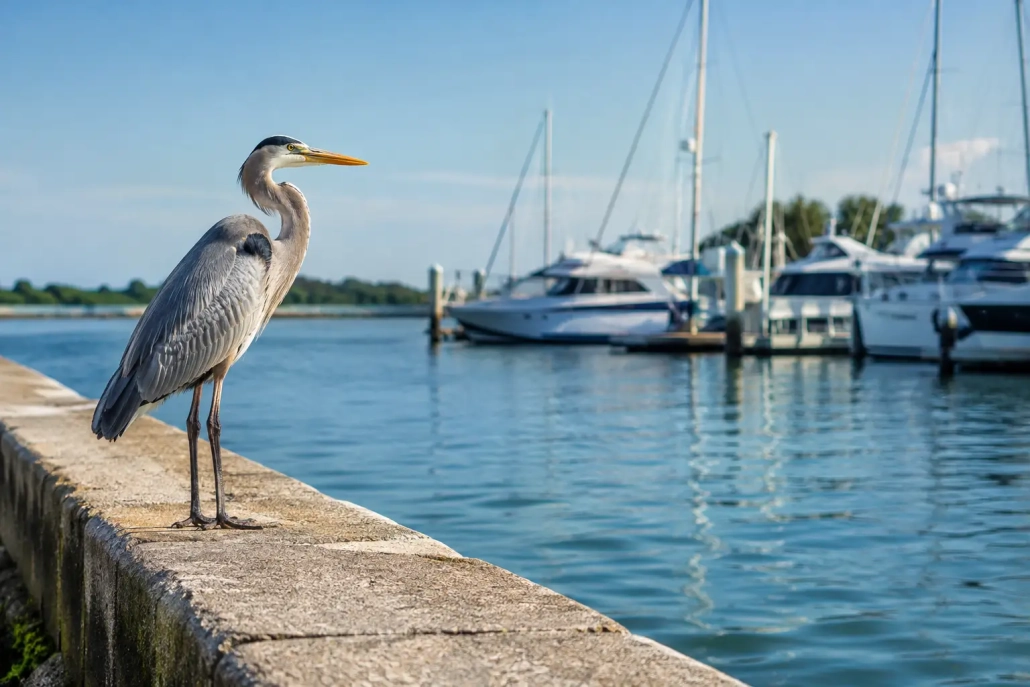
Marina Wildlife Safety Starts at the Seawall
A marina can look perfectly maintained from the dock and still have a serious problem developing underneath it. A burrow along a seawall, droppings on a gangway, or iguanas nesting near electrical equipment can create real risk for guests, staff, vessels, and the property itself. Marina wildlife safety is not just about keeping animals away from people. It is about protecting the infrastructure that keeps the marina operating.
In South Florida, invasive iguanas are a frequent concern around waterfront properties. They are drawn to sunny docks, riprap, landscaped areas, freshwater sources, and the quiet cover found around storage buildings and utility equipment. Left alone, a small group can become an ongoing issue that damages seawalls, creates sanitation problems, and makes walkways less safe.
Why Marina Wildlife Safety Is a Property Issue
At a marina, wildlife activity is not always a harmless sighting. The difference matters. A protected native bird resting on a piling should be left alone and managed appropriately. An invasive iguana digging into the bank behind a seawall is a property-protection problem that needs a prompt response.
Iguanas dig burrows to shelter and nest. Around marinas, those burrows can develop near seawalls, bulkheads, shoreline slopes, walkways, and landscaped edges. Soil loss behind a wall is easy to miss at first. Then a section starts settling, pavers shift, or water finds a path through a weakened area. By the time the damage is visible from the surface, the repair can be far more expensive than addressing the animal activity early.
There is also a people problem. Iguana droppings can collect on docks, finger piers, handrails, pool areas, and outdoor seating. Besides looking bad for members and guests, feces can carry bacteria such as salmonella. A wet dock already demands attention. Add slippery droppings, startled guests, and employees trying to clean up without the right precautions, and a routine maintenance issue becomes a safety concern.
Marinas also have more moving parts than a typical property. Fuel areas, shore-power pedestals, HVAC equipment, boat storage, restaurants, bathrooms, and maintenance yards all create places where wildlife can shelter or cause disruption. The right response depends on the species, the location, and the immediate risk. What should not depend on the situation is whether the issue gets documented and handled.
The Wildlife Risks Marina Teams Should Watch For
The first sign of an iguana problem is often not the animal itself. Staff may see fresh soil pushed from a bank, holes near the top or base of a seawall, chewed landscaping, repeated droppings in the same area, or tracks leading under a dock structure. Large adult iguanas may be obvious on pilings or roofs, but smaller animals can stay hidden in vegetation and drainage areas.
Pay close attention to soil movement near bulkheads and seawalls. Burrowing can undermine the ground behind these structures, particularly after heavy rain or tidal activity. If a dock walkway begins to settle or a landscaped edge develops soft spots, do not assume it is just normal erosion. The area should be assessed before someone steps into an unstable section or the damage spreads.
Electrical and mechanical areas deserve the same attention. Iguanas look for protected, warm locations, and equipment pads can provide both. They may gather near condensers, utility boxes, pumps, and other systems that are costly to repair when damaged or fouled. A commercial HVAC outage is not a minor inconvenience when it affects an office, restaurant, ship store, or event space.
Not every wildlife concern is an iguana. Raccoons, rodents, snakes, nuisance birds, and feral animals may create sanitation or access issues around trash, food service, storage, and dock lines. Still, it is a mistake to treat every animal the same way. Florida wildlife rules can differ by species, and native wildlife may require a different approach. A professional can identify the problem and remove invasive or nuisance animals in a way that protects the property without creating a legal headache for the marina.
Practical Steps That Reduce Wildlife Pressure
Good marina wildlife safety starts with daily observation, not panic. Train dockhands, maintenance staff, and security teams to report burrows, fresh droppings, damaged plantings, unusual animal behavior, and any signs of soil settlement. A quick photo and the exact location can help a manager spot a pattern before it turns into an emergency repair.
Food sources should be controlled. Unsecured trash, spilled bait, pet food, and guests feeding wildlife all encourage repeat visits. Feeding iguanas may seem harmless, but it teaches them that docks and guest areas are reliable food stops. Once animals become comfortable around people, they are more likely to gather near busy walkways and outdoor dining areas.
Landscaping can also either help or hurt. Dense vegetation near seawalls and buildings gives iguanas cover, while unmanaged fruiting plants can provide food. That does not mean a marina has to strip its landscaping bare. It means plants, ground cover, and irrigation should be managed with wildlife activity in mind. Clear visibility around vulnerable walls and equipment makes inspections easier and gives animals fewer hidden places to settle.
Physical repairs matter after removal. Closing a burrow without addressing active animal activity can simply push the problem a few feet away. On the other hand, removing animals without repairing damaged areas leaves the property exposed to erosion and reinfestation. The best sequence is to assess the active sites, remove the invasive animals safely, then repair or reinforce affected areas based on the condition of the structure.
What Marina Staff Should Not Do
Do not ask employees to chase, grab, trap, or corner a large iguana. They can bite, scratch, whip with their tails, and bolt into dangerous places. Cornering an animal on a dock can also put a staff member close to the water, electrical connections, vessel hardware, or fuel-related equipment. The risk is not worth it.
Avoid filling active burrows with concrete, debris, or chemicals. That approach can damage the surrounding ground, trap an animal in place, or divert digging to another vulnerable location. It may also conceal a structural problem that needs inspection.
Staff should not handle droppings with bare hands or use a dry broom that sends contaminated dust into the air. Use appropriate protective gear, follow the marina’s cleaning procedures, and disinfect affected hard surfaces. If waste is heavy or recurring in a guest area, treat it as a wildlife-control issue rather than an endless janitorial task.
Finally, do not wait for a seawall failure, guest complaint, or equipment shutdown to take action. Marina repairs often cost more because access is limited and downtime affects tenants, boat owners, and operations. Early removal and inspection are usually the more practical choice.
When to Call a Professional for Marina Wildlife Safety
A single iguana sighting does not always require a full removal program. Repeated sightings, fresh burrows, droppings in high-traffic areas, damage near a seawall, or animals around mechanical equipment are different. Those are signs that the marina needs a targeted plan.
Professional removal is especially valuable at commercial sites because the work must be done around customers, vessels, staff schedules, and sensitive infrastructure. The goal is not a gimmick or a one-time chase-off. It is to remove the immediate problem, identify where animals are gaining access or nesting, and give the property team clear next steps.
Florida Iguana Ops provides licensed and insured invasive iguana and nuisance wildlife removal for South Florida properties, including marinas. A local crew that understands seawalls, docks, landscaping, and commercial operations can help address the problem without putting your team in a bad position.
A well-run marina should feel safe before guests reach their slip. Keep an eye on the seawall, act on fresh wildlife signs, and handle invasive animals before a hidden burrow becomes the repair everyone wishes they had prevented.



Leave a Reply
Want to join the discussion?Feel free to contribute!