
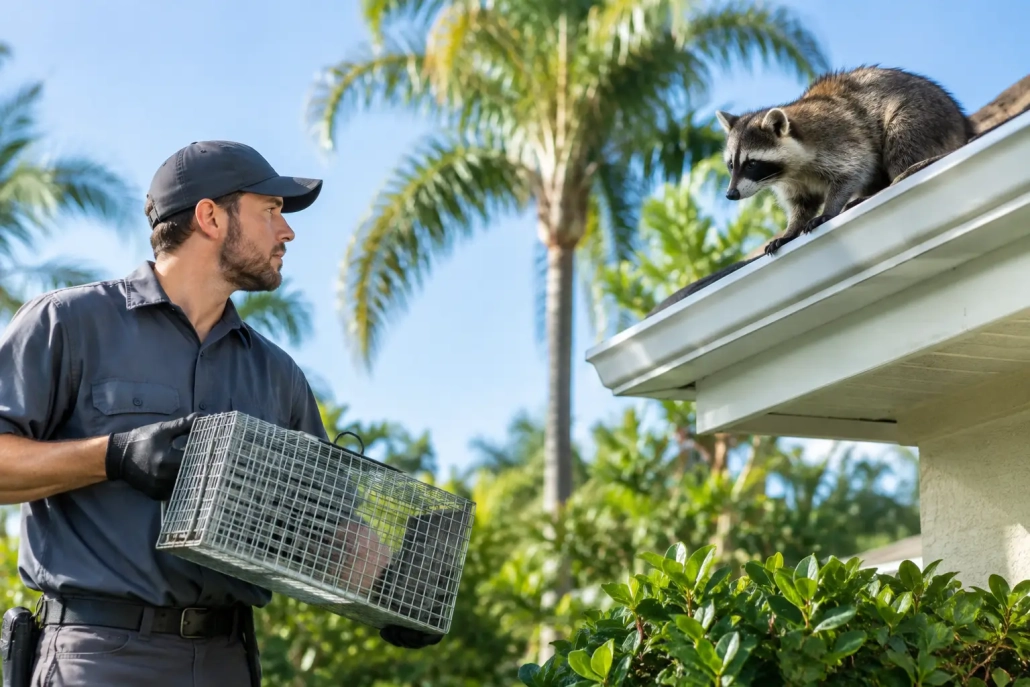
Wildlife Control for South Florida Properties
An iguana stretched across a pool deck may look like a nuisance. The hole beside a seawall, the droppings near a patio, or the chewed insulation around outdoor equipment is the real problem. Effective wildlife control protects the parts of a property that are expensive to repair and easy to overlook until damage gets serious.
For South Florida homeowners, managers, and business owners, nuisance wildlife is not a one-size-fits-all issue. An isolated animal passing through a yard may not require a service call. Repeated iguana activity, fresh burrows, damaged landscaping, waste around guest areas, or wildlife entering equipment areas is different. Those are signs that the property needs attention before a small problem turns into an expensive repair.
What Wildlife Control Means for Your Property
Wildlife control is the safe, lawful management and removal of nuisance animals that are creating a property, health, or operational risk. It is not just about getting an animal out of sight for the day. A proper response starts by identifying what is active on the property, where it is sheltering, what damage it may be causing, and whether conditions are likely to attract more animals.
In South Florida, invasive green iguanas are often the biggest concern. They are strong climbers, capable swimmers, and active burrowers. They settle around seawalls, canal banks, pool areas, landscaped beds, docks, golf courses, marinas, and commercial grounds because those spaces offer sun, vegetation, cover, and easy access to water.
The right approach depends on the site. A waterfront home with a compromised seawall has different priorities than a hotel with droppings near a guest walkway. A golf course may need a plan that considers large open grounds and repeated activity, while a warehouse or office complex may be focused on protecting HVAC equipment, entryways, and landscaped common areas. The goal is the same: remove the active problem safely and reduce the chance of continued damage.
Why Iguana Damage Is More Than a Landscaping Issue
Iguanas can make a well-kept property look neglected fast, but appearance is only part of the cost. Their burrows can undermine soil around structures and paved surfaces. Near water, burrowing can weaken the ground around seawalls and banks. Near homes and businesses, it can contribute to settling around driveways, walkways, patios, pool decks, and foundations.
A fresh burrow should not be ignored simply because it is small. Soil can wash out during heavy rain, and repeated digging in the same area can create a larger void beneath the surface. The repair bill may involve more than filling a hole. If concrete shifts, irrigation lines are damaged, or a seawall requires emergency work, the expense rises quickly.
Iguanas also damage plants, shrubs, flowers, and edible gardens. On commercial properties, damaged landscaping affects curb appeal and can create a poor first impression for residents, guests, customers, or members. At marinas and waterfront communities, iguanas can also create sanitation issues in high-traffic outdoor areas.
There is a practical reason to act early: removal is usually simpler when activity is limited to a few animals and identifiable locations. Waiting for a population to establish itself means more burrows, more waste, more hiding spots, and more potential entry points around the property.
Health and sanitation concerns
Animal droppings around pools, patios, docks, outdoor kitchens, walkways, and common areas are not just unpleasant. Reptiles can carry salmonella, and their waste can contaminate surfaces where people, children, pets, and guests spend time. Property staff should avoid handling droppings without proper precautions, especially when cleanup involves large amounts of waste or areas close to food service and recreation.
Sanitation also affects pest pressure. Waste, damaged vegetation, standing water, and disturbed landscaping can contribute to conditions that attract other unwanted pests. Removing the active wildlife issue and keeping the area clean gives the property a better chance of staying under control.
Signs It Is Time to Call for Professional Wildlife Control
Property owners often call after seeing an iguana repeatedly in the same location, but visible animals are only one sign. Burrows near structural areas, fresh piles of droppings, claw marks, disturbed mulch, gnawed vegetation, and unexplained gaps beneath concrete or landscaping deserve a closer look.
Pay particular attention to areas where water meets soil or hardscape. Seawalls, canal banks, docks, pond edges, drainage areas, and pool decks can be vulnerable because animals use them for shelter and easy movement. Check beneath stairs, around sheds, behind pool equipment, near air-conditioning units, and along fence lines as well. These are common places for animals to hide or dig.
Commercial managers should also consider the operational side of the problem. A damaged irrigation zone can affect a property’s appearance. Droppings near entrances or outdoor seating can create complaints. Burrows near cart paths, walkways, and docks can become trip hazards. Wildlife around mechanical equipment may interfere with maintenance and create conditions that cost more than a scheduled removal service.
If you see one iguana once, watch the area. If you see repeated activity, new damage, or evidence of burrowing, do not assume the problem will move on by itself. Invasive iguanas have adapted well to South Florida conditions, and a favorable property can become a regular sheltering and feeding location.
Why DIY Removal Can Create Bigger Problems
It is understandable to want a quick fix. People try chasing animals away, filling visible holes immediately, using store-bought repellents, or having maintenance staff handle the issue. Those efforts may interrupt activity for a short time, but they often do not address the animal’s location, access route, or legal handling requirements.
Burrows should not be blindly filled if there may still be animal activity inside. That can create a sanitation issue, leave hidden structural concerns unaddressed, or simply send the animal toward another vulnerable area. Improper trapping or removal can also put people and pets at risk. Iguanas may bite, scratch, whip with their tails, or react unpredictably when cornered.
The trade-off is simple. A DIY effort may seem cheaper at first, but it can cost more if it delays proper removal or causes damage to property, equipment, or landscaping. Professional service provides an organized assessment, appropriate removal methods, and clear communication about what was found and what should be monitored afterward.
What a Professional Removal Visit Should Include
A dependable wildlife service should start with a look at the actual conditions, not a guess from across the yard. The technician should identify active animal areas, inspect for burrows and damage, and consider the risks specific to the property. A good provider explains the recommended work in plain language and gives straightforward pricing before the job moves forward.
Licensed and insured service matters, especially on commercial grounds, waterfront properties, and sites with public access. Property owners should expect respectful work around landscaping, pools, docks, equipment, and occupied spaces. They should also expect the provider to follow applicable wildlife rules rather than taking shortcuts.
At Florida Iguana Ops, the focus is targeted removal and property protection. That means showing up on time, handling the job professionally, and being honest about what removal can solve right away versus what may require property repairs or ongoing monitoring. No gimmicks, no runaround.
Prevention works best after active removal
Removal handles the immediate animal problem. Prevention reduces what brings animals back. Depending on the property, that can mean repairing vulnerable areas, managing vegetation, securing accessible food sources, addressing damaged fencing, and watching known burrow zones after heavy rain.
Not every property needs the same prevention plan. A canal-front home may need regular checks around a seawall. A restaurant patio may need stronger sanitation routines and monitoring near landscaping. A marina may need staff awareness around docks, storage zones, and guest paths. The best next step comes from the conditions on the ground, not a generic checklist.
A property does not need to wait for a collapsed paver, a damaged seawall, or a major cleanup problem to take wildlife activity seriously. When you see repeat iguana activity or signs of burrowing, act while the issue is still manageable. Fast, professional attention protects the property you have worked hard to maintain.



Leave a Reply
Want to join the discussion?Feel free to contribute!