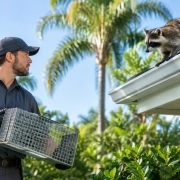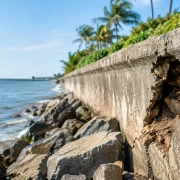
A small hole near a seawall can turn into a much bigger waterfront problem. The best seawall burrow warning signs are not always dramatic at first, but they can point to iguanas tunneling into the soil that supports your wall, walkway, dock area, or pool deck.

South Florida iguanas are strong, persistent burrowers. They use openings along seawalls and canal banks for shelter, nesting, and protection from weather. Left alone, repeated digging can remove soil where you need it most: behind a seawall and beneath hardscape. That is not a cosmetic issue. It can contribute to erosion, settling, cracks, trip hazards, and expensive repairs.

7 Best Seawall Burrow Warning Signs

1. Fresh holes at the base of the seawall

The clearest sign is an opening in the soil along the seawall, especially near the waterline or on the landward side of the wall. Iguana burrows are often wider than a typical rodent hole and may have loose, recently moved sand or dirt around the entrance.

One hole deserves attention. Several openings along the same stretch of wall suggest active use and a growing problem. Iguanas may return to familiar shelter areas, particularly where there is sun, nearby landscaping, food sources, and easy access to water.

Not every hole belongs to an iguana. Crabs, rats, and natural soil washout can also create openings. The concern is the pattern: larger holes, fresh excavation, iguana sightings, and repeated activity in the same area.

2. Loose soil or a sinking strip behind the wall

Burrows do not stay neatly contained at the entrance. Tunnels can extend behind the seawall, removing and loosening the soil that helps support the area above it. Watch for soft ground, a shallow depression, or soil that seems to have dropped along the wall.

This is one of the more serious seawall burrow warning signs because it may mean the damage is happening below the surface. A walkway, patio edge, fence post, or landscaped bed can begin to settle before the underlying void is obvious.

Do not assume soft soil will firm back up on its own. Heavy rain, irrigation, high water, and foot traffic can make a compromised area worse quickly.

3. Cracks in nearby concrete, pavers, or coping

A crack does not automatically mean an iguana caused it. Concrete moves for many reasons, including age, drainage, roots, and normal settling. But new cracks near active burrows should not be ignored.

Pay close attention when pavers separate, concrete starts to tilt toward a low spot, or a crack keeps widening over time. If the ground below a deck, walkway, or pool-area edge loses support, the hard surface above it may show the evidence.

Take photos as soon as you notice changes. Clear, dated photos help you track whether a crack is stable or getting worse, and they give a removal or repair professional a better picture of what is happening.

4. Soil washing out through joints or gaps

After a storm or a period of high water, inspect the seawall carefully. Soil washing through seams, weep holes, cracks, or gaps can be a sign of drainage trouble, erosion, or a void behind the wall. Burrowing activity can make that condition worse by creating more pathways for soil movement.

You may see sand at the base of the wall, a newly hollowed-out area behind it, or a section of landscaping that looks lower than it did before. These conditions call for prompt attention because seawall repairs can become far more involved once soil loss progresses.

Removal and structural repair are separate jobs, but they need to be coordinated. Filling a hole without addressing active iguanas can lead to the same burrow reopening. Removing iguanas without checking the affected ground can leave a hidden safety issue behind.

5. Repeated iguana traffic along the seawall

If you regularly see iguanas climbing out from the same area, moving along the wall, or disappearing into landscaping beside the canal, treat that as useful evidence. A single iguana passing through is different from a repeated route to and from one section of property.

Look for tracks in loose soil, droppings near the wall, claw marks, and flattened paths through groundcover. Iguanas are often active in warm, sunny conditions, so early morning and late afternoon checks can reveal patterns that are easy to miss during a quick walk outside.

Droppings create their own sanitation concern around docks, patios, pool areas, and places where children or pets spend time. Reptiles can carry salmonella, so avoid handling droppings or touching suspected burrow areas without gloves and proper handwashing.

6. Damaged landscaping close to the waterfront

Iguanas do not limit their damage to the seawall itself. They feed on many landscape plants, disturb mulch, knock over small plantings, and dig around roots. When landscaping damage appears next to burrows or soft soil, it often points to active reptile use of that part of the property.

A suddenly bare patch, displaced rock, chewed leaves, or a collapsed planting bed may seem minor. Near a seawall, though, it can be part of a bigger erosion issue. Landscaped areas help hold soil in place, and repeated digging weakens that protection.

Property managers should pay special attention to common areas and waterfront amenity spaces. A burrow behind a clubhouse patio, marina walkway, or golf-course path can create liability long before someone realizes what is underfoot.

7. A burrow that keeps coming back after being filled

A recurring hole is a strong signal that the source has not been handled. Homeowners sometimes fill an opening with dirt, gravel, or mulch, only to find it reopened days later. That may temporarily hide the issue, but it does not stop an active iguana from digging again.

It can also make inspection harder. If you cover a burrow without knowing whether an animal is inside or whether the ground has already been undermined, you may miss the extent of the problem. This is where professional assessment is worth it, especially near expensive waterfront infrastructure.

Why Seawall Burrows Need a Faster Response

Seawalls already face pressure from water, weather, soil movement, and age. Burrowing adds another weak point right where stability matters most. The risk depends on the wall’s condition, the soil type, the size and number of tunnels, recent rainfall, and what sits above the affected area.

A newer seawall with one shallow burrow is not the same as an older wall showing soil loss and settlement across several feet. Still, waiting until a section visibly fails is the costly approach. Early removal gives you a chance to stop active digging and have the site evaluated before repairs become an emergency.

For commercial properties, the stakes can be even higher. Marinas, multifamily communities, hotels, golf courses, and waterfront businesses have guests, employees, and vendors moving through these spaces every day. A soft edge near a dock or a sinking walkway is not something to put off until the next maintenance cycle.

What to Do When You Find a Suspected Burrow

Start by keeping people and pets away from soft ground, open holes, and visibly damaged edges. Do not probe deep into a burrow, pour chemicals inside, or try to force an animal out. Those actions can be unsafe, may worsen the tunnel, and can create legal or animal-handling issues.

Instead, document the location with photos and note any fresh soil, cracks, washout, or iguana activity. If there is an immediate safety concern, such as a collapsing edge, significant settlement, or a damaged walkway, restrict access and contact the appropriate seawall or structural repair professional right away.

Then arrange professional iguana removal to address the active source. Florida Iguana Ops provides local, licensed and insured removal focused on protecting South Florida homes, commercial properties, marinas, and outdoor infrastructure. No gimmicks and no runaround – just a practical plan to remove invasive iguanas and help you get ahead of recurring damage.

A burrow beside the water is never just a hole until proven otherwise. Catch it early, keep the area safe, and address the animals before another season of digging turns a manageable repair into a waterfront headache.
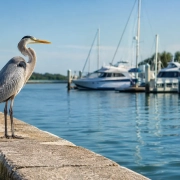
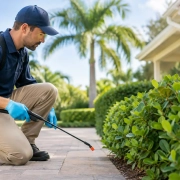
A marina can look perfectly maintained from the dock and still have a serious problem developing underneath it. A burrow along a seawall, droppings on a gangway, or iguanas nesting near electrical equipment can create real risk for guests, staff, vessels, and the property itself. Marina wildlife safety is not just about keeping animals away from people. It is about protecting the infrastructure that keeps the marina operating.

In South Florida, invasive iguanas are a frequent concern around waterfront properties. They are drawn to sunny docks, riprap, landscaped areas, freshwater sources, and the quiet cover found around storage buildings and utility equipment. Left alone, a small group can become an ongoing issue that damages seawalls, creates sanitation problems, and makes walkways less safe.

Why Marina Wildlife Safety Is a Property Issue

At a marina, wildlife activity is not always a harmless sighting. The difference matters. A protected native bird resting on a piling should be left alone and managed appropriately. An invasive iguana digging into the bank behind a seawall is a property-protection problem that needs a prompt response.

Iguanas dig burrows to shelter and nest. Around marinas, those burrows can develop near seawalls, bulkheads, shoreline slopes, walkways, and landscaped edges. Soil loss behind a wall is easy to miss at first. Then a section starts settling, pavers shift, or water finds a path through a weakened area. By the time the damage is visible from the surface, the repair can be far more expensive than addressing the animal activity early.

There is also a people problem. Iguana droppings can collect on docks, finger piers, handrails, pool areas, and outdoor seating. Besides looking bad for members and guests, feces can carry bacteria such as salmonella. A wet dock already demands attention. Add slippery droppings, startled guests, and employees trying to clean up without the right precautions, and a routine maintenance issue becomes a safety concern.

Marinas also have more moving parts than a typical property. Fuel areas, shore-power pedestals, HVAC equipment, boat storage, restaurants, bathrooms, and maintenance yards all create places where wildlife can shelter or cause disruption. The right response depends on the species, the location, and the immediate risk. What should not depend on the situation is whether the issue gets documented and handled.

The Wildlife Risks Marina Teams Should Watch For

The first sign of an iguana problem is often not the animal itself. Staff may see fresh soil pushed from a bank, holes near the top or base of a seawall, chewed landscaping, repeated droppings in the same area, or tracks leading under a dock structure. Large adult iguanas may be obvious on pilings or roofs, but smaller animals can stay hidden in vegetation and drainage areas.

Pay close attention to soil movement near bulkheads and seawalls. Burrowing can undermine the ground behind these structures, particularly after heavy rain or tidal activity. If a dock walkway begins to settle or a landscaped edge develops soft spots, do not assume it is just normal erosion. The area should be assessed before someone steps into an unstable section or the damage spreads.

Electrical and mechanical areas deserve the same attention. Iguanas look for protected, warm locations, and equipment pads can provide both. They may gather near condensers, utility boxes, pumps, and other systems that are costly to repair when damaged or fouled. A commercial HVAC outage is not a minor inconvenience when it affects an office, restaurant, ship store, or event space.

Not every wildlife concern is an iguana. Raccoons, rodents, snakes, nuisance birds, and feral animals may create sanitation or access issues around trash, food service, storage, and dock lines. Still, it is a mistake to treat every animal the same way. Florida wildlife rules can differ by species, and native wildlife may require a different approach. A professional can identify the problem and remove invasive or nuisance animals in a way that protects the property without creating a legal headache for the marina.

Practical Steps That Reduce Wildlife Pressure

Good marina wildlife safety starts with daily observation, not panic. Train dockhands, maintenance staff, and security teams to report burrows, fresh droppings, damaged plantings, unusual animal behavior, and any signs of soil settlement. A quick photo and the exact location can help a manager spot a pattern before it turns into an emergency repair.

Food sources should be controlled. Unsecured trash, spilled bait, pet food, and guests feeding wildlife all encourage repeat visits. Feeding iguanas may seem harmless, but it teaches them that docks and guest areas are reliable food stops. Once animals become comfortable around people, they are more likely to gather near busy walkways and outdoor dining areas.

Landscaping can also either help or hurt. Dense vegetation near seawalls and buildings gives iguanas cover, while unmanaged fruiting plants can provide food. That does not mean a marina has to strip its landscaping bare. It means plants, ground cover, and irrigation should be managed with wildlife activity in mind. Clear visibility around vulnerable walls and equipment makes inspections easier and gives animals fewer hidden places to settle.

Physical repairs matter after removal. Closing a burrow without addressing active animal activity can simply push the problem a few feet away. On the other hand, removing animals without repairing damaged areas leaves the property exposed to erosion and reinfestation. The best sequence is to assess the active sites, remove the invasive animals safely, then repair or reinforce affected areas based on the condition of the structure.

What Marina Staff Should Not Do

Do not ask employees to chase, grab, trap, or corner a large iguana. They can bite, scratch, whip with their tails, and bolt into dangerous places. Cornering an animal on a dock can also put a staff member close to the water, electrical connections, vessel hardware, or fuel-related equipment. The risk is not worth it.

Avoid filling active burrows with concrete, debris, or chemicals. That approach can damage the surrounding ground, trap an animal in place, or divert digging to another vulnerable location. It may also conceal a structural problem that needs inspection.

Staff should not handle droppings with bare hands or use a dry broom that sends contaminated dust into the air. Use appropriate protective gear, follow the marina’s cleaning procedures, and disinfect affected hard surfaces. If waste is heavy or recurring in a guest area, treat it as a wildlife-control issue rather than an endless janitorial task.

Finally, do not wait for a seawall failure, guest complaint, or equipment shutdown to take action. Marina repairs often cost more because access is limited and downtime affects tenants, boat owners, and operations. Early removal and inspection are usually the more practical choice.

When to Call a Professional for Marina Wildlife Safety

A single iguana sighting does not always require a full removal program. Repeated sightings, fresh burrows, droppings in high-traffic areas, damage near a seawall, or animals around mechanical equipment are different. Those are signs that the marina needs a targeted plan.

Professional removal is especially valuable at commercial sites because the work must be done around customers, vessels, staff schedules, and sensitive infrastructure. The goal is not a gimmick or a one-time chase-off. It is to remove the immediate problem, identify where animals are gaining access or nesting, and give the property team clear next steps.

Florida Iguana Ops provides licensed and insured invasive iguana and nuisance wildlife removal for South Florida properties, including marinas. A local crew that understands seawalls, docks, landscaping, and commercial operations can help address the problem without putting your team in a bad position.

A well-run marina should feel safe before guests reach their slip. Keep an eye on the seawall, act on fresh wildlife signs, and handle invasive animals before a hidden burrow becomes the repair everyone wishes they had prevented.

An iguana problem does not end when the animal leaves the property. Droppings on a pool deck, patio, dock, walkway, roofline, or equipment pad can leave behind a sanitation issue that deserves real attention. Proper reptile sanitation protects the people using your property, helps keep pests from moving in, and gives you a clear look at the damage an infestation may have been hiding.

For South Florida homeowners and commercial property managers, this is not about making a yard look tidy. Iguana waste often collects in the same places people, pets, guests, and employees use every day. Near water, food areas, outdoor furniture, HVAC equipment, and entryways, that waste can quickly become a health, odor, and maintenance concern.

Why Reptile Sanitation Matters After Iguana Activity

Iguanas can carry Salmonella bacteria, which may be present in their droppings even when the animal appears healthy. People can become exposed by touching contaminated surfaces and then touching their mouth, food, or face. Young children, older adults, and anyone with a weakened immune system face greater risk from bacterial illness.

The practical concern is not limited to direct contact with visible droppings. Rain can spread residue across pavers and pool decks. A hose can push contaminated material into drains, landscaping, or water-adjacent areas. Dry sweeping can stir dust and particles into the air. That is why a quick rinse or a broom is not a complete answer.

Droppings also attract insects and can create a feeding opportunity for rodents in some settings. At restaurants, marinas, golf courses, multifamily communities, and hospitality properties, visible waste sends the wrong message before anyone has time to explain the cause. A clean, well-maintained property should not look like it has an active reptile problem.

Start With Removal, Not Cleanup Alone

Cleaning up waste without addressing active iguanas is a short-term fix. If the animals are still using your roof, seawall, pool area, landscaping, or dock as a feeding and resting area, new droppings may show up within hours or days.

This is especially true where food sources and shelter remain easy to access. Dense landscaping, fallen fruit, pet food left outdoors, open soffit areas, stacked materials, warm mechanical equipment, and shoreline vegetation can all make a property more appealing. Burrows near seawalls, driveways, walkways, sheds, and foundations are another warning sign that the issue goes beyond surface sanitation.

Professional removal gives sanitation work a fighting chance to last. It also lets someone assess whether repeated droppings are tied to a larger problem, such as nesting activity, a burrow system, or an access route onto the roof. Florida Iguana Ops handles invasive iguana removal with the property itself in mind, because waste cleanup means little if the next group is already moving in.

What Safe Iguana Waste Cleanup Looks Like

The right cleanup method depends on the location, the amount of waste, and the surfaces involved. A few droppings on an open paver patio call for a different approach than heavy buildup around a marina dock, rooftop HVAC unit, pool enclosure, or commercial loading area.

The first step is to keep people and pets away from the affected area until it is cleaned. Do not let children play around droppings, and do not allow pets to sniff, lick, or eat them. Pets can track contamination indoors on paws as well.

Wear disposable gloves at a minimum. If waste is dry, concentrated, or located in a confined area, additional protective gear may be appropriate. Avoid pressure washing or sweeping dry droppings before they have been safely removed. Those methods can spread contaminated material farther than intended.

Waste should be picked up with disposable materials, bagged securely, and placed in the appropriate trash collection. Then clean the surface with soap and water to remove remaining organic material. Disinfection comes after cleaning, not before. A disinfectant cannot work well through dirt and waste.

Use a disinfectant that is suitable for the surface and follow the product label for mixing, contact time, and rinsing instructions. This matters around pools, food-preparation spaces, painted surfaces, natural stone, landscaping, and waterways. Strong chemicals used carelessly can damage finishes, harm plants, or create runoff problems.

Finish by removing gloves correctly and washing hands thoroughly with soap and warm water. Hand sanitizer is useful when soap and water are unavailable, but it should not be treated as the full answer after handling animal waste.

Pool Decks, Patios, and Outdoor Living Areas

These spaces need quick attention because people often walk barefoot, sit close to the ground, or eat outdoors. Check under furniture, around grill areas, along screen enclosures, and behind planters. Iguanas tend to use protected edges and warm sunny surfaces, so the visible droppings in the center of a patio may not tell the whole story.

If droppings have entered pool water, remove the visible material promptly and follow normal pool water maintenance procedures. The right response can depend on pool size, filtration, chemical readings, and the extent of contamination. When in doubt, consult a qualified pool professional rather than guessing with chemical levels.

Docks, Seawalls, and Marina Areas

Waterfront sanitation requires extra care. It may be tempting to hose waste directly into the water, but that simply transfers the problem. Collect solid waste first, then use cleaning methods that limit runoff and protect the surrounding waterway.

Also inspect the area beneath the mess. Repeated iguana activity near a seawall may point to burrowing or soil displacement. What starts as droppings on a dock can be the visible sign of a more expensive property risk developing below ground.

HVAC Pads and Mechanical Equipment

Iguanas are drawn to warmth, shelter, and elevated resting spots. Droppings around condensers, electrical equipment, and rooftop mechanical units are more than a housekeeping nuisance. Waste, nesting material, and animal activity can interfere with access for service technicians and may contribute to equipment problems if the issue is allowed to continue.

Do not spray water or chemicals into electrical or mechanical components. Have the exterior area cleaned carefully, and arrange an equipment inspection if there is evidence of chewed wiring, debris inside the unit, or unusual operation.

When a Property Needs More Than Routine Cleaning

A homeowner can often handle an isolated dropping on a hard, open surface with sensible precautions. The situation changes when waste is widespread, recurring, near food service, around a pool, inside a structure, or connected to an active infestation.

Commercial properties should take repeat activity seriously. Property managers and facilities teams may need a documented response for staff, tenants, guests, vendors, and maintenance schedules. A recurring sanitation issue near a clubhouse, restaurant patio, marina slip, playground, or common walkway can create complaints and expose weaknesses in property upkeep.

There is also a structural side to the problem. Iguanas that leave droppings near a foundation, seawall, or deck may be traveling to and from burrows. Cleaning the surface while ignoring the burrow can allow erosion, settling, and damage to continue out of sight. That is where experienced removal and a site-specific property assessment pay off.

Reducing Future Reptile Waste Around the Property

After removal and cleanup, reducing attractants helps limit repeat activity. Keep fallen fruit picked up, avoid leaving pet food outdoors, and trim back heavy vegetation that gives iguanas easy cover. Secure access to areas beneath decks, sheds, and equipment where practical, but do not seal an area if you suspect an animal is still inside.

Inspect regularly during warm periods, especially after heavy rain or when you see fresh tracks, droppings, disturbed soil, or damage to landscaping. On larger properties, assign routine checks to the areas iguanas favor most: waterfront edges, sun-facing walls, rooflines, pool equipment pads, ornamental planting beds, and service corridors.

The goal is not to turn routine maintenance into a full-time wildlife job. It is to catch new activity early, before a few droppings become an infestation, a sanitation concern, and a repair bill at the same time.

A clean property is easier to protect when the source of the problem is handled promptly. If you are seeing repeated iguana waste, burrows, or damage around your home or business, act before the next cleanup becomes another costly routine.

An iguana stretched across a pool deck may look like a nuisance. The hole beside a seawall, the droppings near a patio, or the chewed insulation around outdoor equipment is the real problem. Effective wildlife control protects the parts of a property that are expensive to repair and easy to overlook until damage gets serious.

For South Florida homeowners, managers, and business owners, nuisance wildlife is not a one-size-fits-all issue. An isolated animal passing through a yard may not require a service call. Repeated iguana activity, fresh burrows, damaged landscaping, waste around guest areas, or wildlife entering equipment areas is different. Those are signs that the property needs attention before a small problem turns into an expensive repair.

What Wildlife Control Means for Your Property

Wildlife control is the safe, lawful management and removal of nuisance animals that are creating a property, health, or operational risk. It is not just about getting an animal out of sight for the day. A proper response starts by identifying what is active on the property, where it is sheltering, what damage it may be causing, and whether conditions are likely to attract more animals.

In South Florida, invasive green iguanas are often the biggest concern. They are strong climbers, capable swimmers, and active burrowers. They settle around seawalls, canal banks, pool areas, landscaped beds, docks, golf courses, marinas, and commercial grounds because those spaces offer sun, vegetation, cover, and easy access to water.

The right approach depends on the site. A waterfront home with a compromised seawall has different priorities than a hotel with droppings near a guest walkway. A golf course may need a plan that considers large open grounds and repeated activity, while a warehouse or office complex may be focused on protecting HVAC equipment, entryways, and landscaped common areas. The goal is the same: remove the active problem safely and reduce the chance of continued damage.

Why Iguana Damage Is More Than a Landscaping Issue

Iguanas can make a well-kept property look neglected fast, but appearance is only part of the cost. Their burrows can undermine soil around structures and paved surfaces. Near water, burrowing can weaken the ground around seawalls and banks. Near homes and businesses, it can contribute to settling around driveways, walkways, patios, pool decks, and foundations.

A fresh burrow should not be ignored simply because it is small. Soil can wash out during heavy rain, and repeated digging in the same area can create a larger void beneath the surface. The repair bill may involve more than filling a hole. If concrete shifts, irrigation lines are damaged, or a seawall requires emergency work, the expense rises quickly.

Iguanas also damage plants, shrubs, flowers, and edible gardens. On commercial properties, damaged landscaping affects curb appeal and can create a poor first impression for residents, guests, customers, or members. At marinas and waterfront communities, iguanas can also create sanitation issues in high-traffic outdoor areas.

There is a practical reason to act early: removal is usually simpler when activity is limited to a few animals and identifiable locations. Waiting for a population to establish itself means more burrows, more waste, more hiding spots, and more potential entry points around the property.

Health and sanitation concerns

Animal droppings around pools, patios, docks, outdoor kitchens, walkways, and common areas are not just unpleasant. Reptiles can carry salmonella, and their waste can contaminate surfaces where people, children, pets, and guests spend time. Property staff should avoid handling droppings without proper precautions, especially when cleanup involves large amounts of waste or areas close to food service and recreation.

Sanitation also affects pest pressure. Waste, damaged vegetation, standing water, and disturbed landscaping can contribute to conditions that attract other unwanted pests. Removing the active wildlife issue and keeping the area clean gives the property a better chance of staying under control.

Signs It Is Time to Call for Professional Wildlife Control

Property owners often call after seeing an iguana repeatedly in the same location, but visible animals are only one sign. Burrows near structural areas, fresh piles of droppings, claw marks, disturbed mulch, gnawed vegetation, and unexplained gaps beneath concrete or landscaping deserve a closer look.

Pay particular attention to areas where water meets soil or hardscape. Seawalls, canal banks, docks, pond edges, drainage areas, and pool decks can be vulnerable because animals use them for shelter and easy movement. Check beneath stairs, around sheds, behind pool equipment, near air-conditioning units, and along fence lines as well. These are common places for animals to hide or dig.

Commercial managers should also consider the operational side of the problem. A damaged irrigation zone can affect a property’s appearance. Droppings near entrances or outdoor seating can create complaints. Burrows near cart paths, walkways, and docks can become trip hazards. Wildlife around mechanical equipment may interfere with maintenance and create conditions that cost more than a scheduled removal service.

If you see one iguana once, watch the area. If you see repeated activity, new damage, or evidence of burrowing, do not assume the problem will move on by itself. Invasive iguanas have adapted well to South Florida conditions, and a favorable property can become a regular sheltering and feeding location.

Why DIY Removal Can Create Bigger Problems

It is understandable to want a quick fix. People try chasing animals away, filling visible holes immediately, using store-bought repellents, or having maintenance staff handle the issue. Those efforts may interrupt activity for a short time, but they often do not address the animal’s location, access route, or legal handling requirements.

Burrows should not be blindly filled if there may still be animal activity inside. That can create a sanitation issue, leave hidden structural concerns unaddressed, or simply send the animal toward another vulnerable area. Improper trapping or removal can also put people and pets at risk. Iguanas may bite, scratch, whip with their tails, or react unpredictably when cornered.

The trade-off is simple. A DIY effort may seem cheaper at first, but it can cost more if it delays proper removal or causes damage to property, equipment, or landscaping. Professional service provides an organized assessment, appropriate removal methods, and clear communication about what was found and what should be monitored afterward.

What a Professional Removal Visit Should Include

A dependable wildlife service should start with a look at the actual conditions, not a guess from across the yard. The technician should identify active animal areas, inspect for burrows and damage, and consider the risks specific to the property. A good provider explains the recommended work in plain language and gives straightforward pricing before the job moves forward.

Licensed and insured service matters, especially on commercial grounds, waterfront properties, and sites with public access. Property owners should expect respectful work around landscaping, pools, docks, equipment, and occupied spaces. They should also expect the provider to follow applicable wildlife rules rather than taking shortcuts.

At Florida Iguana Ops, the focus is targeted removal and property protection. That means showing up on time, handling the job professionally, and being honest about what removal can solve right away versus what may require property repairs or ongoing monitoring. No gimmicks, no runaround.

Prevention works best after active removal

Removal handles the immediate animal problem. Prevention reduces what brings animals back. Depending on the property, that can mean repairing vulnerable areas, managing vegetation, securing accessible food sources, addressing damaged fencing, and watching known burrow zones after heavy rain.

Not every property needs the same prevention plan. A canal-front home may need regular checks around a seawall. A restaurant patio may need stronger sanitation routines and monitoring near landscaping. A marina may need staff awareness around docks, storage zones, and guest paths. The best next step comes from the conditions on the ground, not a generic checklist.

A property does not need to wait for a collapsed paver, a damaged seawall, or a major cleanup problem to take wildlife activity seriously. When you see repeat iguana activity or signs of burrowing, act while the issue is still manageable. Fast, professional attention protects the property you have worked hard to maintain.